 WhatsApp: +86 19941574798


Urethane Roller Coaster Wheels for Amusement Park Rides
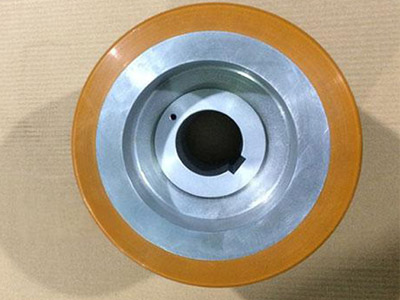
Our premium cast urethane roller coaster wheels utilize advanced low-hysteresis chemistry and high-integrity core bonding to prevent heat buildup and tread separation under extreme speeds and dynamic G-forces.
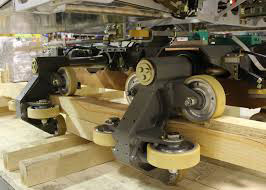
Technical Information
In the amusement park and attractions industry, roller coaster wheels represent the absolute peak of industrial wheel engineering. Operating under extreme conditions including rapid acceleration, intense G-forces, high-velocity friction, and continuous duty cycles, standard wheels fail within minutes. To ensure passenger safety, track longevity, and uninterrupted ride operations, Premium Cast Urethane Roller Coaster Wheels are the definitive industry standard.
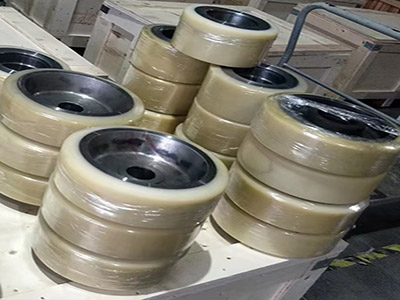
The Challenges of Roller Coaster Wheels
Roller coaster wheels encounter a triad of intense mechanical stresses: High Speed (100+ km/h), Massive Dynamic Loads, and Intense Friction Heat Buildup. Our premium cast urethane formulations solve these challenges with precision engineering:
1. Eliminating Heat Buildup (Low Hysteresis): High-speed compression creates intense internal friction heat, causing standard polyurethanes to melt. Our ultra-low hysteresis formulation ensures Cool-Running Performance, preventing thermal failure under continuous, high-velocity operation.
2. Fail-Safe Core Bonding (Anti-Debonding): Extreme G-forces and lateral shears put immense stress on the tread-to-core interface. Utilizing mechanical shot-blasting and proprietary chemical primers, we establish an unbreakable molecular-level bond with steel or aluminum cores, eliminating tread separation risk.
3. Zero Permanent Flat-Spotting: Heavy trains stationary in loading bays can cause inferior rubber or plastic wheels to develop permanent flat spots. Our high-modulus urethane retains perfect elastic memory, returning instantly to a flawless concentric profile upon rolling.
The Three-Tiered Wheel Configuration for Roller Coaster Safety
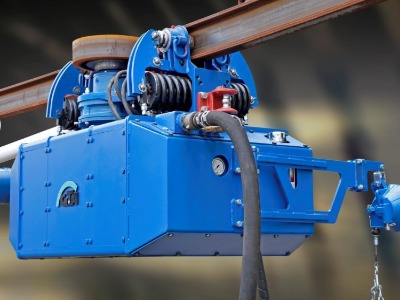
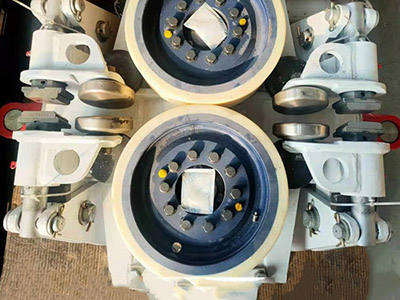
A modern roller coaster relies on three distinct types of wheels working in perfect harmony to lock the train onto the tubular steel track. We manufacture and customize all three configurations:
1. Load/Road Wheels: Positioned on top of the track, these wheels bear the primary weight of the train and passengers. They require our highest-load urethane compounds to handle extreme vertical G-forces during valley drop transitions.
2. Side Friction/Guide Wheels: Fitted on the inside or outside of the track rails, these wheels control horizontal alignment and prevent lateral wobbling. They are optimized for high tracking accuracy and extreme abrasion resistance.
3. Upstop/Under-friction Wheels: Positioned underneath the track rail, these wheels lock the train safely to the track during inversions (loops, rolls) and negative-G "airtime" hills. They demand high tear strength and instant energy absorption.
Customization Options for Your Urethane Roller Coaster Wheels
Custom Hardness Spectrum: We tailor the durometer of the urethane tread depending on the ride design. Lower hardnesses (85A – 90A) offer maximum vibration dampening and whisper-quiet operation for dark rides or family coasters. Higher hardnesses (93A – 96A / 60D) deliver maximum load ratings and ultra-low rolling resistance for extreme, high-speed mega coasters.
Premium Core Metallurgy: Available with precision-machined Forged Steel, Cast Iron, or Aircraft-Grade Aluminum Cores. Aluminum cores are highly recommended for high-speed sections as they act as a natural heat sink, drawing thermal energy away from the urethane tread.
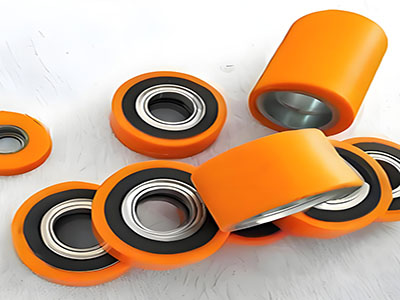
Precision Bearing Integration: All coaster wheels are pre-fitted with specialized, high-load dual precision ball bearings with robust double-lip rubber seals (2RS) to retain factory grease and lock out moisture, track grime, and debris.
Why Choose Us as Your Roller Coaster Wheel Manufacturer?
In the amusement park sector, reliability is directly tied to safety and profitability. As an experienced source manufacturer, we don't just supply wheels; we provide custom-engineered mobility solutions.
Every single urethane coaster wheel we produce undergoes rigorous quality control, including ultrasonic non-destructive testing for bond integrity, precise durometer verification, and strict dimensional concentricity checks. Whether you are an amusement ride OEM looking for custom prototype wheels or a theme park maintenance manager seeking high-end replacement rollers that outlast original equipment, our engineering team is ready to deliver.
Contact us today with your dimensional drawings, track speeds, and maximum load configurations to receive a professional quotation.
You have questions, we have answers. Contact us today. Our skilled customer service specialists can help you make the right choice in polyurethane applications.
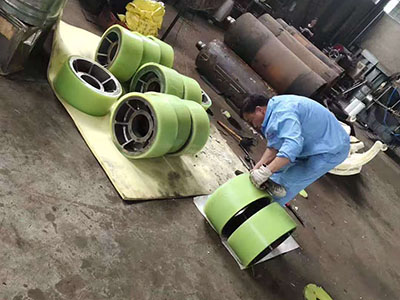
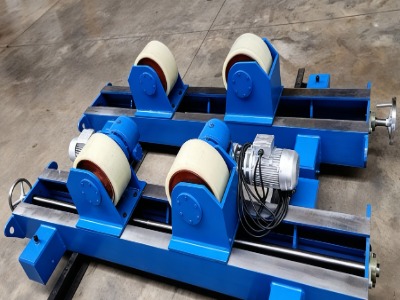
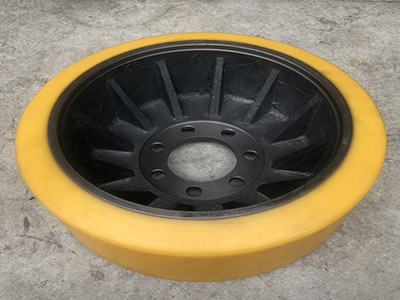
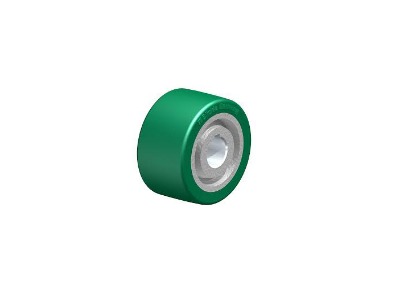
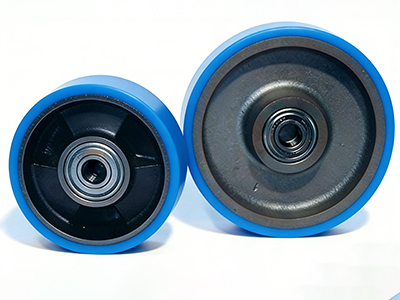
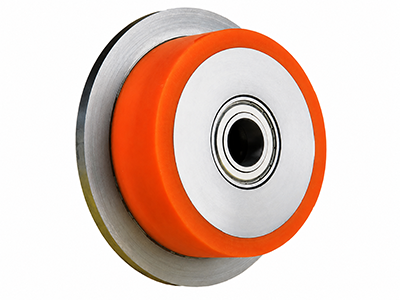
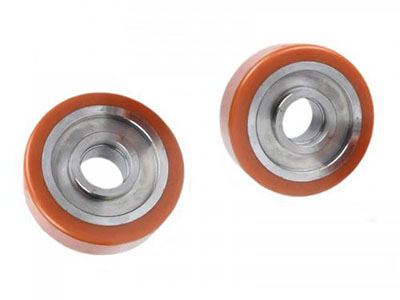
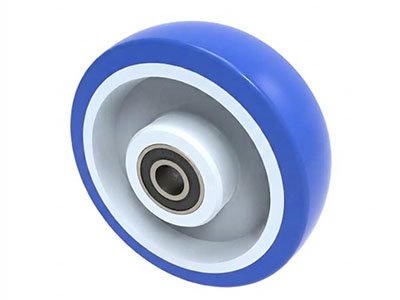
Industrial Polyurethane Elastomer Wheels
Custom Polyurethane Guide Rollers & Wheels