-
 WhatsApp: +86 19941574798
-
 sale06@kfqizhongji.com
 WhatsApp: +86 19941574798
sale06@kfqizhongji.com
WhatsApp: +86 19941574798
sale06@kfqizhongji.com
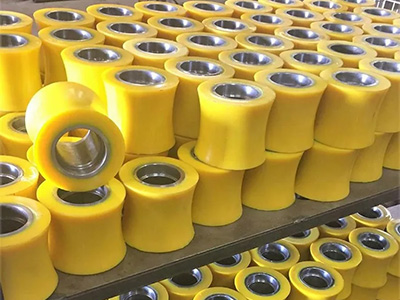
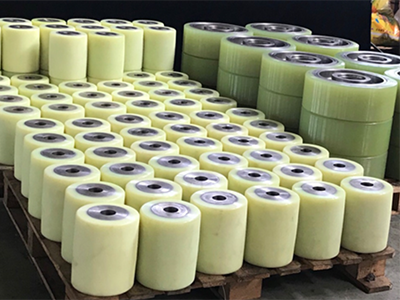
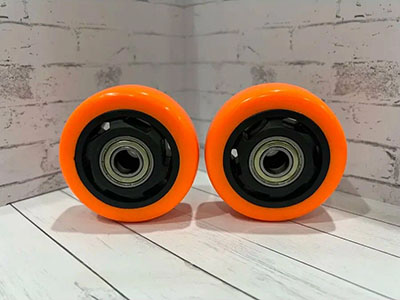
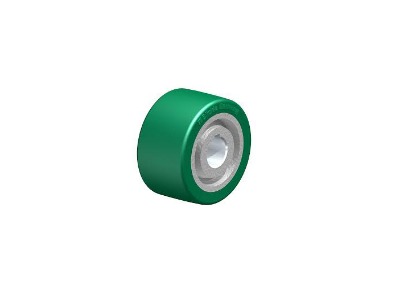
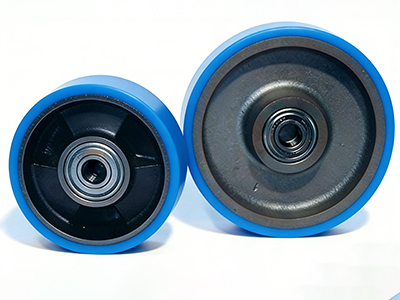
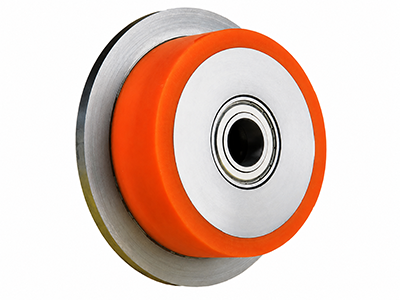
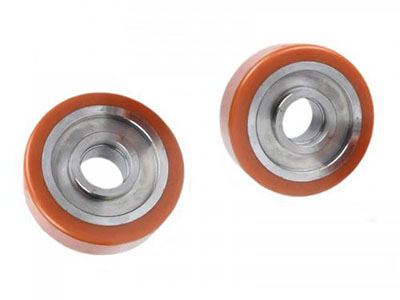
Cold-engineered polyurethane wheels provide the optimal solution for cold storage logistics, offering maintained elasticity, superior traction on icy surfaces, and long-term floor protection in sub-zero environments.
In cold chain logistics, the performance of your material handling equipment directly impacts operational efficiency. Many warehouse managers are transitioning to specialized Polyurethane (PU) wheels, as they offer distinct technical advantages for sub-zero environments.
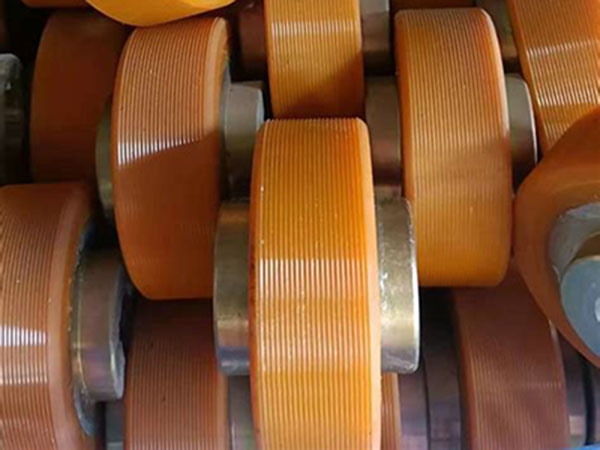
Most standard materials, such as rubber or basic plastics, are not engineered for freezing temperatures. In a cold room, these materials lose their natural flexibility, becoming brittle and hard. This leads to two significant issues: cracking, which causes permanent wheel failure, and loss of traction, which creates safety risks for operators and equipment.
Polyurethane is a versatile elastomer that can be chemically formulated to remain elastic even at -30°C.
Maintained Elasticity: Unlike rubber, cold-engineered PU wheels retain their flexibility in freezing conditions, preventing structural hardening and material breakdown.
Floor Preservation: In food and pharmaceutical storage, cleanliness is a strict requirement. Specialized PU wheels are non-marking, preventing the black scuff marks and surface abrasions often left by inferior materials on epoxy or high-finish floors.
Selecting the right wheel material is a technical decision that directly affects facility reliability. Prioritizing cold-engineered polyurethane wheels minimizes the risks of premature equipment failure and maintenance downtime. Transitioning to these specialized materials is an effective way to ensure that your material handling fleet remains safe and productive in demanding cold chain environments.
Choosing Flame Retardant PU Wheels: Why Reactive Outperforms Additive
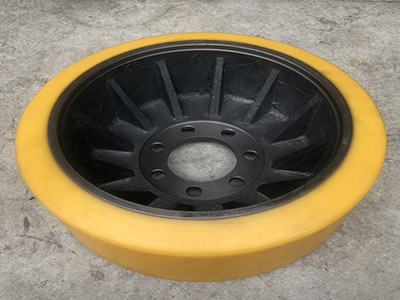
How to Choose the Best Wheel Core for Your Equipment