 WhatsApp: +86 19941574798


Custom Molded Cast Urethane Wheels
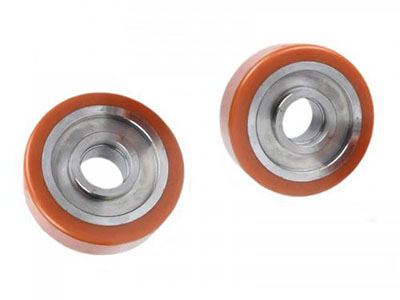
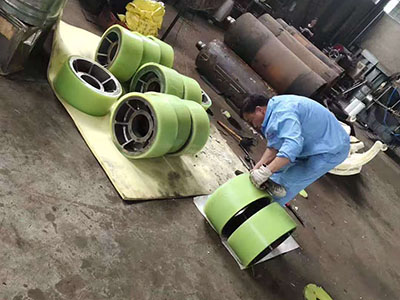
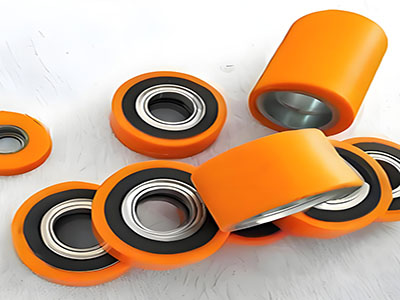
Custom Molded Cast Urethane Wheels are manufactured using a precision casting process that creates a molecular-level chemical bond between liquid polyurethane elastomer and a metal or composite core.
Technical Information
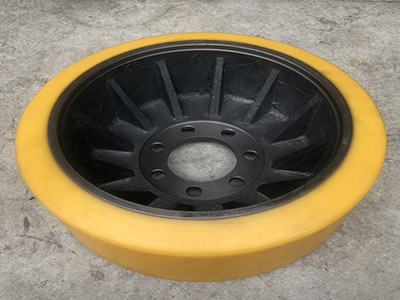
Custom Molded Cast Urethane Wheels are manufactured using a precision casting process that creates a molecular-level chemical bond between liquid polyurethane elastomer and a metal or composite core. These wheels support full-dimensional customization—including material formulations, structural dimensions, and functional properties—serving as essential load-bearing components for heavy-duty, high-cycle, and specialized industrial operating environments.
Core Manufacturing Process of Casting Urethane Wheels
Core Surface Pretreatment: The metal core (cast iron, steel, aluminum alloy, etc.) undergoes thorough degreasing to remove processing oils, oxide layers, and impurities. The surface is then sandblasted to create a micro-textured profile, followed by the application of a specialized bonding primer. This process ensures a robust chemical bond between the polyurethane and the metal, effectively eliminating delamination risks at the source.
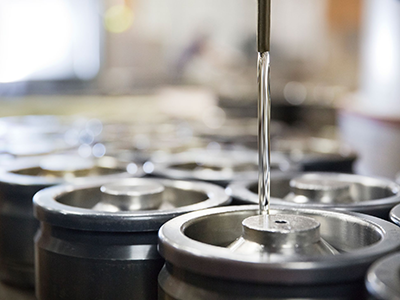
Mold Casting: The pretreated core is secured within a custom mold. A precisely mixed liquid polyurethane prepolymer and curing agent are injected into the mold cavity, fully encapsulating the core’s working surface.
Vulcanization & Cross-linking: Through ambient or temperature-controlled vulcanization, the polyurethane molecules form a three-dimensional cross-linked network. This transforms the material from a liquid into a high-elasticity solid, achieving a molecular-level bond with the core’s adhesive layer.
Post-Processing & Quality Control: After demolding, the wheels undergo mechanical finishing to meet precise dimensional requirements. This is followed by rigorous testing, including dimensional tolerance checks, dynamic balancing, and spot-checks for load-bearing and wear resistance to ensure the finished product meets all custom specifications.
Key Performance Advantages for Casting Polyurethane Wheels
Exceptional Wear Life: Wear resistance is 5–10 times higher than that of standard rubber wheels, with DIN abrasion loss as low as <30mm³. This significantly reduces replacement frequency and maintenance downtime in high-friction environments.
High Load-Bearing & Anti-Delamination: Chemical bonding strength exceeds the tensile strength of the polyurethane itself, ensuring the tread remains firmly attached to the core under extreme loads. Load-bearing capacity far exceeds that of similar-sized rubber or injection-molded TPU wheels.
Superior Environmental Adaptability: Resistant to oils, fuels, and weak acids/alkalis. They maintain stability across an operating temperature range of -30°C to 120°C, making them suitable for both outdoor and extreme temperature workshop environments. Specialized formulations are available for non-marking, anti-static, FDA food-grade, and hydrolysis-resistant requirements.
Damping, Floor Protection, & Low Noise: Superior elasticity compared to steel or hard plastic wheels allows for vibration absorption and noise reduction, preventing damage to epoxy or concrete floors.
High Customization Flexibility: The casting process allows for significantly lower mold costs compared to injection molding, making it highly cost-effective for small-batch or non-standard, custom-engineered requirements.
Customization Dimensions for Polyurethane Wheel Casting
Hardness: Adjustable range from Shore A 60 to Shore D 80, balancing elasticity and rigidity.
ShoreDuromete | Tensile Strength(MPa) | Elongation(%) | Tear Strength, DieC(kN/m) | Compression Set(%) |
| ~95A | ~50 MPa (≈7500 psi) | ~350% | ≈95 kN/m (545 pli) | ~30–32% |
| 90A | ~45 MPa (≈6500 psi) | ~450% | ≈80 kN/m (455 pli) | ~30% |
| 80–85A | ~35–37 MPa (≈5000 psi) | ~580% | ≈47 kN/m (270 pli) | ~28% |
| 70–75A | ~20–28 MPa | ~560% | ≈44 kN/m (250 pli) | ~28–31% |
| 65A | ~17 MPa (≈2500 psi) | ~600% | ≈38 kN/m (215 pli) | ~23% |
Core Material: Cast iron, carbon steel, aluminum alloy, engineering plastics, etc.
Wheel Structure: V-groove, U-groove, flanged wheels, drive wheels, guide wheels, press-on wheels, friction wheels, etc.
Functional Attributes: Conductive/anti-static, high-temperature resistance, food-grade (FDA), high-rebound, low compression set.
Comparison: Cast Urethane vs. Injection Molded TPU
Comparison Metric | Cast Urethane Wheels | Injection Molded TPU Wheels |
Molecular Structure | Thermoset (3D cross-linked) | Thermoplastic (Linear structure) |
Wear & Load Capacity | Superior; ideal for heavy-duty, high-cycle use | Moderate; best for light-to-medium general use |
Heat Resistance | No distinct melting point; retains shape >100°C | Defined melting point; softens at high heat |
Customization Cost | Low mold costs; ideal for small-batch runs | High mold costs; optimized for mass production |
Advantages vs. Other Wheel Materials
Vs. Rubber: Higher load-bearing capacity, superior cut and tear resistance, easier to achieve non-marking properties, and longer overall wear life.
Vs. Polyolefin (e.g., Polypropylene): Urethane provides significantly higher traction, quieter operation, and reduced potential for floor marking.
Vs. Metal: Urethane protects floors, operates quietly, and effectively absorbs vibration and shock.
Vs. Injection-Molded Thermoplastic: Cast urethane is generally tougher, supports higher loads, and exhibits greater tear resistance, particularly in thicker cross-sections.
Typical Application Scenarios
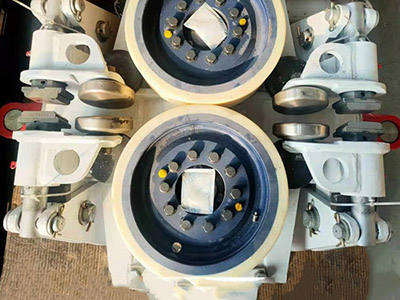
Smart Logistics & Warehousing: Drive wheels and guide wheels for AGVs (Automated Guided Vehicles) and AMRs (Autonomous Mobile Robots).
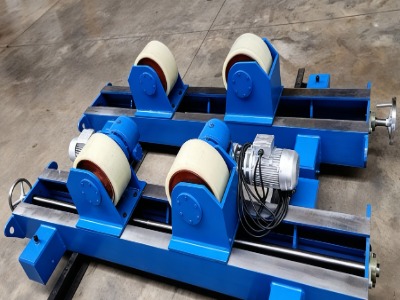
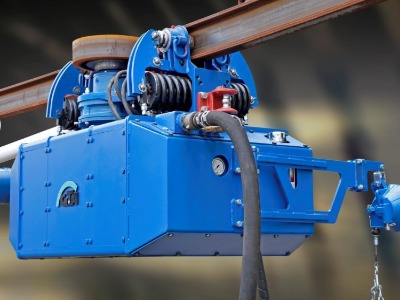
Heavy Engineering Equipment: Load wheels for tunnel boring machines (TBM), friction wheels for monorail hoists in mining, and rollers for port machinery.
Automated Production Lines: Conveyor rollers for automotive assembly lines, friction drive wheels, and precision equipment guide rollers.
Specialized Industrial Settings: Rollers for food processing lines (FDA certified), conductive wheels for semiconductor cleanrooms, and drive wheels for sports ball-launching machines.
Whether you have a specific load requirement or a challenging environment, our engineering team is here to help. Let’s collaborate to design a custom urethane wheel solution tailored to your application. Contact Our Engineering Team.
You have questions, we have answers. Contact us today. Our skilled customer service specialists can help you make the right choice in polyurethane applications.
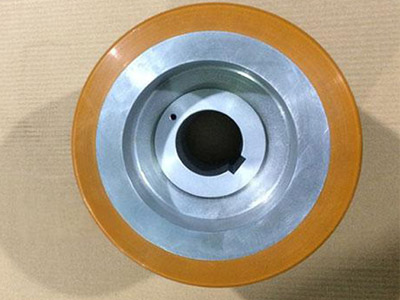
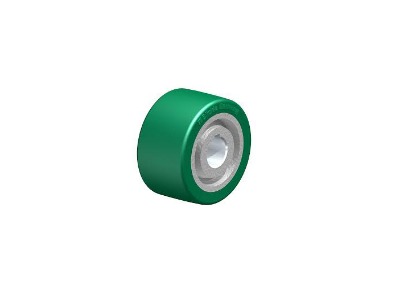
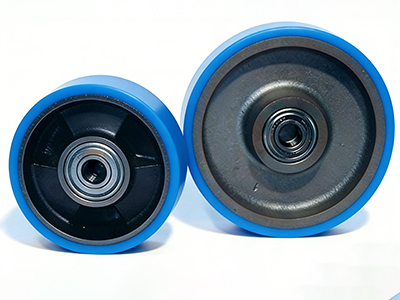
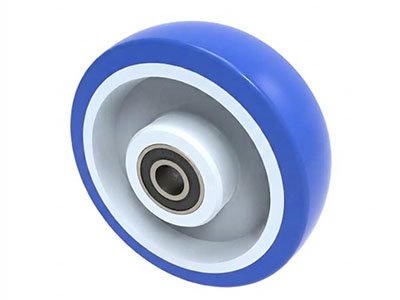
Polyurethane Tread on Nylon Center Wheels
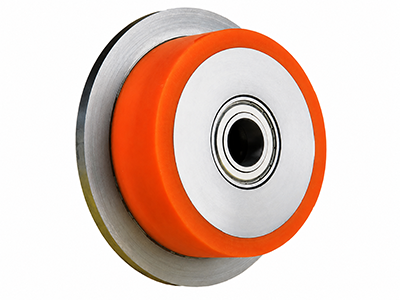
Polyurethane Flanged Wheels