-
 WhatsApp: +86 19941574798
-
 sale06@kfqizhongji.com
 WhatsApp: +86 19941574798
sale06@kfqizhongji.com
WhatsApp: +86 19941574798
sale06@kfqizhongji.com
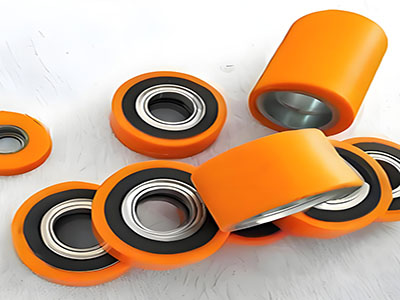
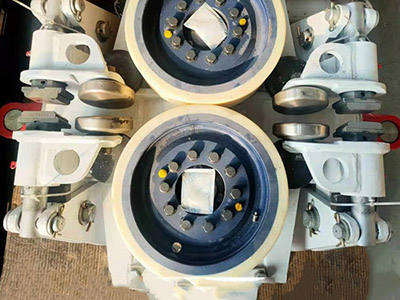
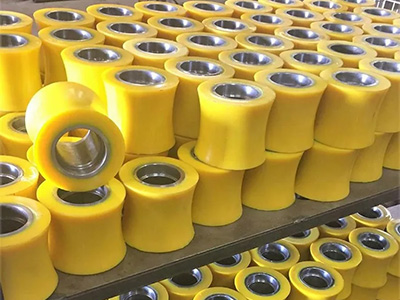
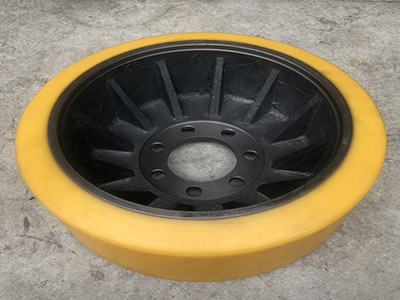
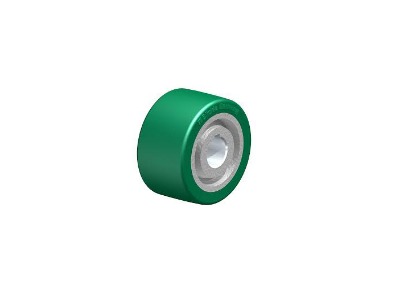
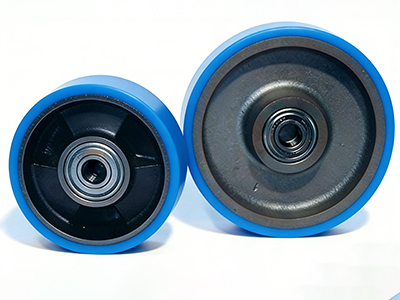
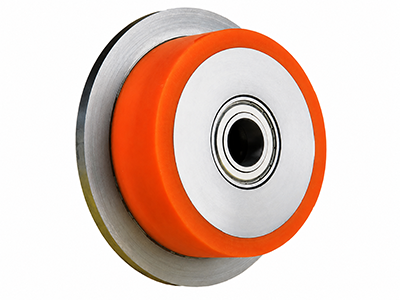
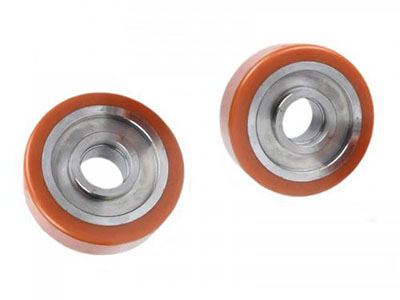
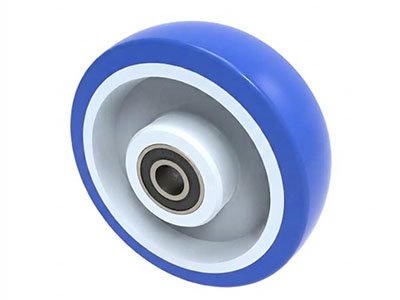
Industrial agv drive wheels enhance lifespan by utilizing high-resilience polyurethane materials and implementing a strategic preventive maintenance schedule to minimize heat build-up and tread wear.
As global smart manufacturing accelerates, Industrial AGVs (Automated Guided Vehicles) are evolving toward higher speeds, heavier loads, and superior precision. As the feet of the AGV, the performance of the drive wheel directly determines the operational stability of the equipment. This article provides an in-depth analysis of how high-performance polyurethane materials act as the core logic behind increasing load capacity and extending service life.
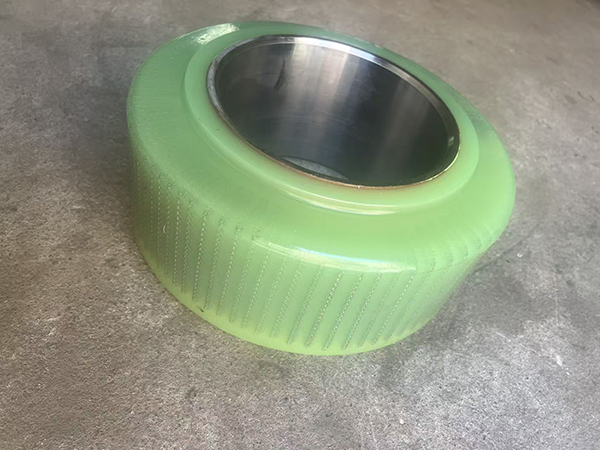
Material Evolution: From General PU to High-Performance NDI Systems
Under heavy-duty and high-speed operating conditions, traditional TDI or MDI-based polyurethane systems often suffer from rapid internal heat build-up, leading to a sharp decline in physical properties or even delamination. Today, industry-leading drive wheels increasingly utilize high-performance NDI (1,5-Naphthalene Diisocyanate) or specially modified polyurethane systems.
These advanced materials offer exceptional dynamic mechanical properties, maintaining high hardness without sacrificing elasticity. This allows the wheels to effectively control internal temperature rise during prolonged high-load operation, fundamentally solving the problem of material fatigue and significantly extending the overall service life of Industrial AGV Drive Wheels.
Reducing Rolling Resistance: The Key to Green Energy Efficiency
In automated logistics systems, energy optimization is a critical metric for reducing Total Cost of Ownership (TCO). High-performance polyurethane materials possess extremely low hysteresis loss and outstanding rebound resilience.
Lower Rolling Resistance: Experimental data indicates that optimized polyurethane treads can reduce rolling resistance by approximately 20%–30%.
Energy Efficiency: Lower resistance means reduced motor load, which not only extends the AGV's single-charge battery life but also minimizes wear and tear on motors and gearboxes.
Adapting to Complex Environments: Anti-Static and Floor Protection
Modern workshops, particularly in semiconductor and lithium battery manufacturing, place rigorous demands on drive wheels:
1. ESD Capabilities: By incorporating nano-scale conductive media into the polyurethane formula, high-performance drive wheels achieve stable static discharge protecting sensitive electronic components.
2. Zero-Marking: Compared to rubber wheels, high-performance polyurethane does not leave black scuff marks even during frequent braking and steering, drastically reducing factory floor maintenance costs.
Selection Advice: Balancing Dynamic Load and Hardness
In practical application, higher hardness is not always better. Excessive hardness can reduce traction and increase vibration, while insufficient hardness sacrifices load capacity. Professional drive wheel manufacturing processes involve analyzing the AGV's specific speed, floor conditions, and maximum static load to provide a customized Material Selection Comparison Table, ensuring a "Golden Balance" between wear resistance and grip.
We are dedicated to providing high-quality motion system solutions for global industrial automation. Through continuous R&D in high-performance materials, our series of drive wheels are widely utilized in heavy-duty logistics, semiconductor, amusement equipment, material handling drive system applications.
Wafer Handling: Why Polyurethane Outperforms Rubber & Metal Wheels
Polyurethane on Aluminum Wheels: 5 Life Factors