 WhatsApp: +86 19941574798


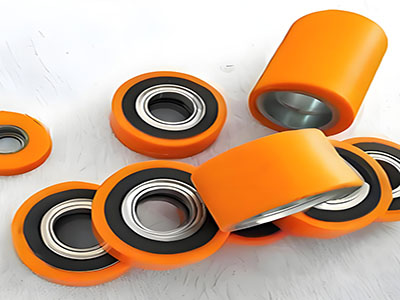
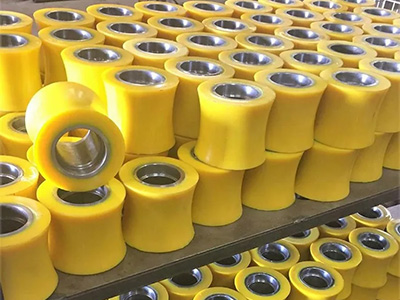
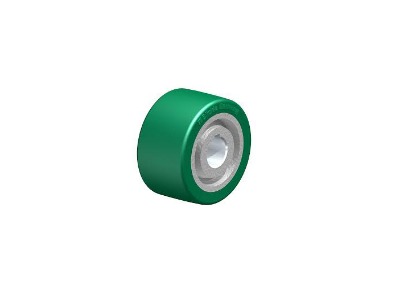
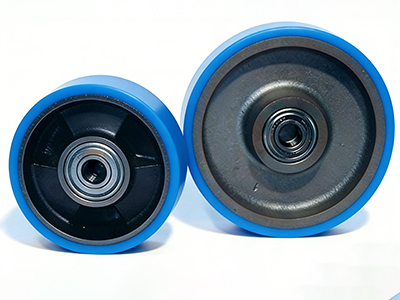
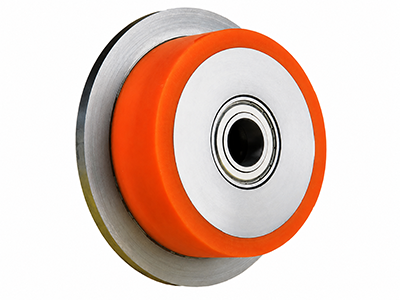
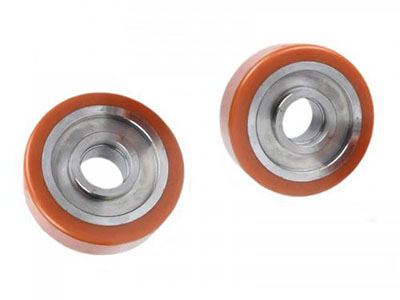
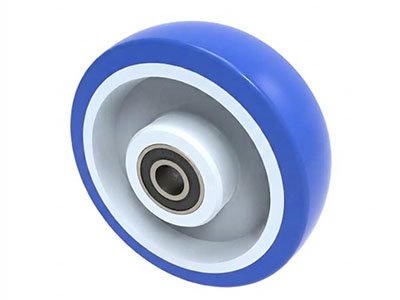
High-Performance Polyurethane Tread on Aluminum Wheels
High-performance aluminum wheel cores are coated with durable, industrial-grade polyurethane for superior load-bearing capacity and floor protection in automated material handling applications.
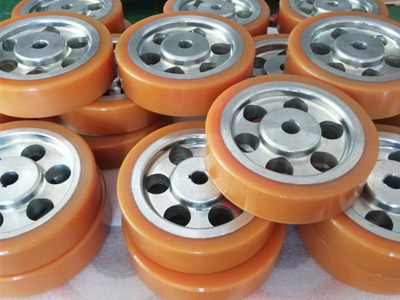
Technical Information
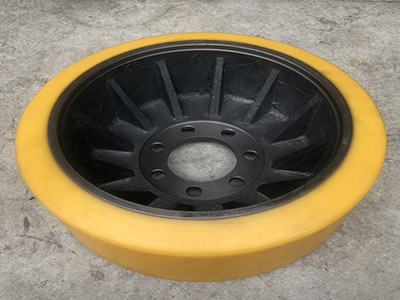
Polyurethane on Aluminum wheels are high-performance industrial components consisting of a polyurethane (PU) tread chemically bonded to an aluminum core. This design, which combines a lightweight aluminum alloy hub with a high-resilience polyurethane tread, provides an excellent solution for modern material handling.

Performance Characteristics of Urethane Aluminum Core Wheels
Urethane Aluminum Core wheels stand out among various materials primarily due to their unique structural advantages:
1. Lightweight and High Strength: The aluminum alloy core is significantly lighter than cast iron or steel cores, greatly reducing the overall weight of mobile equipment. This is critical for battery-powered AGVs or mobile platforms, as lighter weight translates to lower energy consumption and extended battery life.
2. Exceptional Load Capacity: Despite their light weight, the rigid aluminum hub provides excellent structural stability for Urethane on Aluminum Wheels, ensuring they do not deform under medium-to-heavy loads.
3. Superior Floor Protection and Quiet Operation: Polyurethane Tread on Aluminum Core Wheel Casters utilize high-grade polyurethane that offers excellent grip on various surfaces, absorbs vibrations, reduces operating noise, and leaves no marks on floors.
4. Natural Corrosion Resistance: Aluminum is naturally rust-resistant, making these wheels highly suitable for use in humid environments or those with chemical exposure.
Core Application Fields for Polyurethane on Aluminum Wheels
This High-Quality Polyurethane Wheel with Aluminum Core is widely used in industries with stringent requirements for cleanliness, precision, and high-frequency operation:
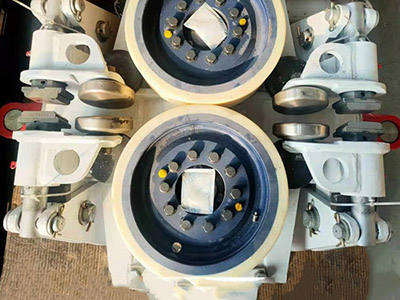
1. Automated Logistics: Equipment such as AGVs (Automated Guided Vehicles) and RGVs (Rail Guided Vehicles) in smart warehouses leverage the lightweight properties of these wheels to improve acceleration performance.
2. Semiconductors and Precision Manufacturing: In cleanroom environments, non-marking and wear-resistant polyurethane treads are the standard configuration for handling precision equipment.
3. Medical and Laboratory Equipment: These wheels meet strict requirements for quiet operation and hygienic conditions.
4. Aerospace and Electronics: Used in precision instrument handling systems that require smooth, controlled motion.
Customization for Polyurethane Tread Aluminum Core Wheels
To meet diverse application needs, Polyurethane on Aluminum Wheels typically support various customization options:
1. Hardness Adjustment: Tread hardness is usually available between Shore 80A–95A to adapt to different shock absorption requirements.
2. Anti-Static Design: Customized ESD-safe (Electrostatic Discharge) formulations are available to protect sensitive electronic components.
3. Precision Machining: Aluminum cores can be CNC-machined with high accuracy to ensure excellent wheel concentricity and balance for high-speed, smooth rolling.
Whether improving factory logistics efficiency or upgrading laboratory handling platforms, selecting Polyurethane Aluminum Core wheels can significantly enhance overall equipment performance. By reducing system load and offering wear resistance, corrosion resistance, and quiet operation, they have become the top choice for enterprises seeking long-term reliability.
You have questions, we have answers. Contact us today. Our skilled customer service specialists can help you make the right choice in polyurethane applications.
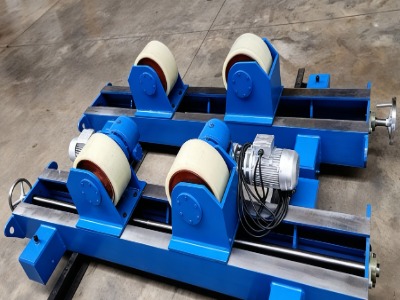
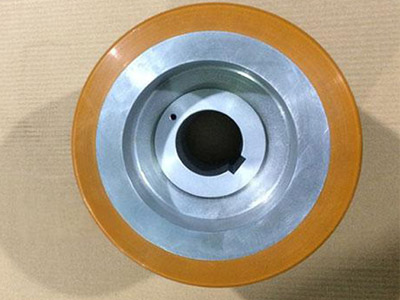
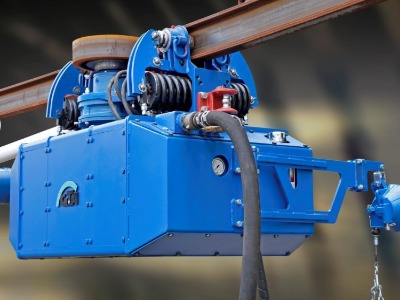
Polyurethane-Covered Bearing Wheels
Polyurethane Forklift Wheels & Pallet Jack Rollers