• WhatsAppWhatsApp: +86 19941574798
  • email sale06@kfqizhongji.com
Poly Wheels Manufacturer
  • Home
  • About
  • Products
    • Polyurethane Wheels
  • Application
    • Semiconductor Workshop Equipment
    • Amusement Equipment Wheels
    • Material Handling Drive System
    • Mining Monorail Hoisting Equipment
    • Heavy Machinery
    • Special Equipment
  • Blog
  • Wheels Specifications
  • FAQ
  • Contact Us
Poly Wheels Manufacturer
  • Home
  • About
  • Products
    • Polyurethane Wheels
  • Application
    • Semiconductor Workshop Equipment
    • Amusement Equipment Wheels
    • Material Handling Drive System
    • Mining Monorail Hoisting Equipment
    • Heavy Machinery
    • Special Equipment
  • Blog
  • Wheels Specifications
  • FAQ
  • Contact Us
  • Home
  • Blog

Why Choose Injected Polyurethane (TPU) Wheels for Your Equipment

by Philson
  • 16 Jan 2026
  • 396
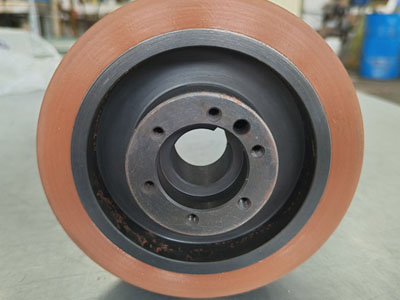
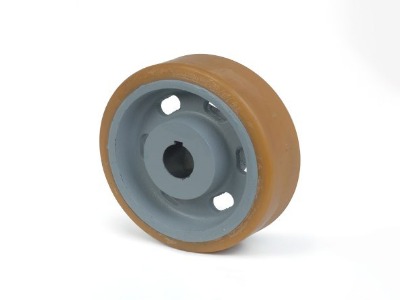
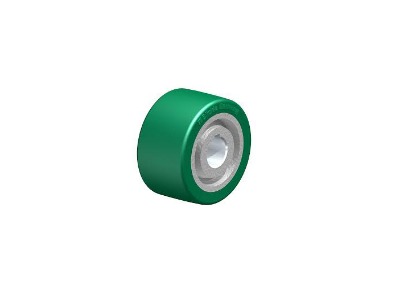
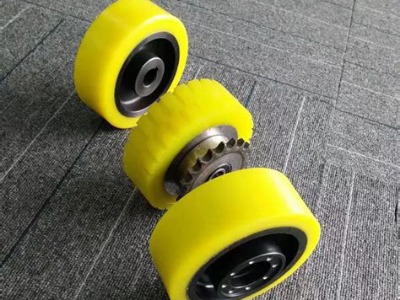
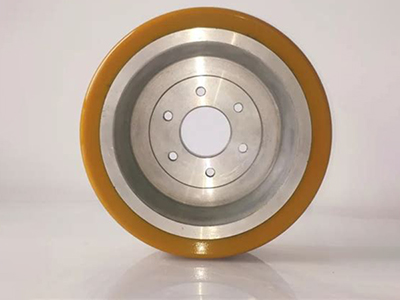
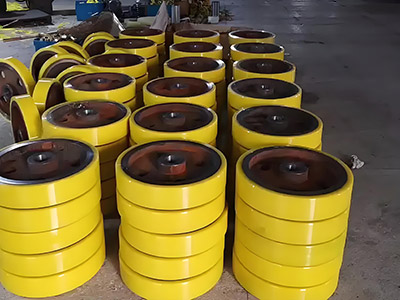
Injected Polyurethane Wheels (often referred to as TPU wheels or Thermoplastic Polyurethane wheels) are manufactured using a high-pressure injection molding process.

Injected Polyurethane Wheels (often referred to as TPU wheels or Thermoplastic Polyurethane wheels) are manufactured using a high-pressure injection molding process. Unlike traditional cast polyurethane, which is poured into open molds and cured, injected polyurethane typically starts as pellets. These pellets are melted down and injected into a precision mold, often directly around a wheel core made of nylon, polypropylene, or metal.

This manufacturing technique results in a wheel that offers the elasticity of rubber combined with the toughness and durability of metal or hard plastics.
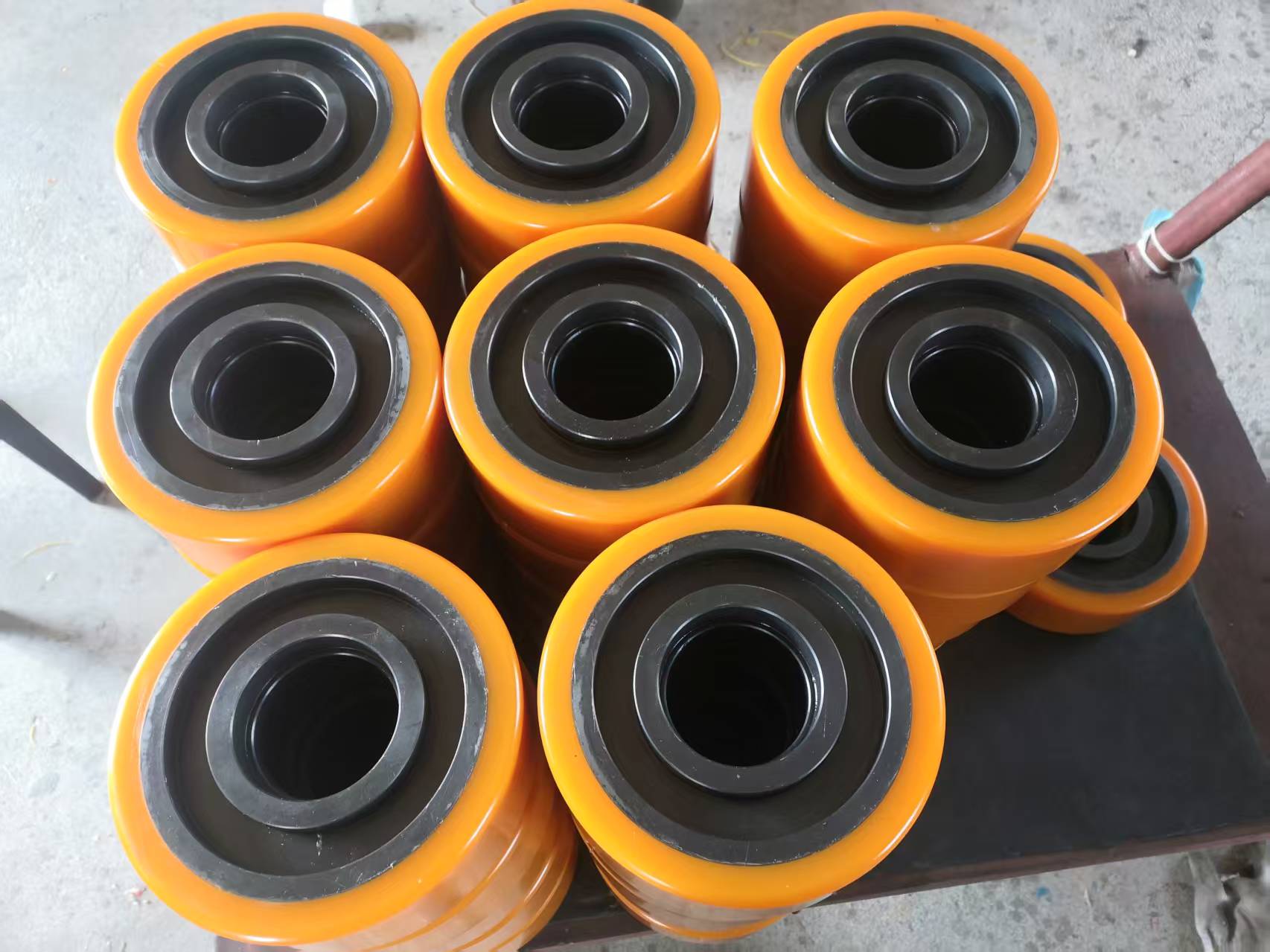
Injected Polyurethane Wheels (often referred to as TPU wheels or Thermoplastic Polyurethane wheels)

Key Benefits of Injected Polyurethane Wheels

Why should you choose this specific type of wheel for your equipment? Here are the primary advantages:

1. Superior Floor Protection

One of the most significant selling points of Injected Polyurethane Wheels is their ability to protect flooring. They are non-marking, meaning they won't leave unsightly black scuffs on epoxy, tile, or hardwood floors. This makes them ideal for environments where cleanliness and aesthetics are priorities, such as hospitals, schools, and retail stores.

2. Smooth and Quiet Operation

Noise pollution is a real concern in modern workplaces. These wheels offer excellent noise reduction compared to harder materials like steel or nylon. The polyurethane tread absorbs vibrations and shocks from uneven surfaces, ensuring a silent and smooth glide that improves user comfort.

3. Resistance to Chemicals and Abrasion

Injected Polyurethane Wheels are chemically resistant to oils, greases, solvents, and cleaning agents. This makes them a durable choice for automotive garages, laboratories, and food processing plants where exposure to harsh substances is frequent. Furthermore, they are highly resistant to abrasion, ensuring a long service life even on rough concrete.

4. Lightweight Construction

Because the injection process often utilizes high-strength nylon or polypropylene cores, these wheels are significantly lighter than their cast iron or steel counterparts. This reduces the overall weight of the cart or trolley, making it easier for personnel to maneuver manual equipment and reducing fatigue.

Injected vs. Cast Polyurethane: Which Do You Need?

It is important to distinguish between Injected Polyurethane Wheels and Cast Polyurethane Wheels.

Choose Injected Polyurethane for dynamic applications, lighter to medium-duty loads, high-volume requirements, and environments where budget and smooth mobility are key.

Choose Cast Polyurethane if you are dealing with extreme heavy-duty loads (thousands of pounds per wheel) or high-speed towing applications where heat build-up is a major factor.

Conclusion

If you are looking for a wheel solution that offers the perfect "middle ground" between soft rubber and hard plastic, Injected Polyurethane Wheels are the answer. They provide the durability needed for industrial environments while maintaining the floor protection and quiet operation required in commercial spaces. By investing in high-quality injected polyurethane, you ensure longer equipment life, reduced maintenance costs, and a better experience for your operators.
  • prev
    Pallet Stacker Drive & Idler Wheels for Automated Warehouses
  • Why Roller Coasters Use NDI Polyurethane Wheels
    next

Categories

  • About
  • Products
  • Application
  • Blog
  • Wheels Specifications
  • FAQ
  • Contact Us

Recent Cases

Reliability of Chemical-grade PU Wheels in Fabs

Reliability of Chemical-grade PU Wheels in Fabs

Zero-Marking Polyurethane Wheels for AGVs in Wafer Transport

Zero-Marking Polyurethane Wheels for AGVs in Wafer Transport

AGV Polyurethane-Covered Guide Wheels

AGV Polyurethane-Covered Guide Wheels

High-performance Polyurethane AGV Drive Wheels

High-performance Polyurethane AGV Drive Wheels

Polyurethane Drive Wheels for AGVs in Automated Warehouses

Polyurethane Drive Wheels for AGVs in Automated Warehouses

Rail-Guided Vehicle (RGV) PU Wheels in Automated Material Handling

Rail-Guided Vehicle (RGV) PU Wheels in Automated Material Handling

Recent Products

  • Non-Marking Polyurethane Wheels

    Non-Marking Polyurethane Wheels

  • 95A ESD Aluminum Core Polyurethane Wheel

    95A ESD Aluminum Core Polyurethane Wheel

  • Chemical Resistant Polyurethane Guide Wheels

    Chemical Resistant Polyurethane Guide Wheels

  • Industrial Polyurethane Elastomer Wheels

    Industrial Polyurethane Elastomer Wheels

  • Industrial AGV Drive Wheels

    Industrial AGV Drive Wheels

  • Keyway-mounted Polyurethane AGV Wheels

    Keyway-mounted Polyurethane AGV Wheels

Recent Blogs

  • How Polyurethane Wheels Solve the Swelling Issue in Wet Processing
  • How High-Performance Wheels Ensure Amusement Ride Safety
  • Polyurethane Forklift Wheels & Tires: Driving Efficiency in Material Handling
  • Why Food Plants are Switching to FDA-Grade Anti-Skid Wheels
  • Polyurethane vs. Rubber Wheels: The Comparison Guide
  • Manufacturing Process of Heavy-Duty Polyurethane Wheels
  • How to Enhance Lifespan of Industrial AGV Drive Wheels
  • Wafer Handling: Why Polyurethane Outperforms Rubber & Metal Wheels
  • How Do Polyurethane Wheels Compare To Metal Wheels
  • Why Choose Injected Polyurethane (TPU) Wheels for Your Equipment

Get In Touch

Contact Us

  • Anfeng Industrial Park, Dongtai City, Jiangsu, China
  • +86-19941574798
  • sale06@kfqizhongji.com

QUICK LINKS

  • About
  • Products
  • Application
  • Blog
  • Wheels Specifications
  • FAQ
  • Contact Us

The Latest News

How Polyurethane Wheels Solve the Swelling Issue in Wet Processing
Apr 24,2026
How High-Performance Wheels Ensure Amusement Ride Safety
Apr 21,2026
Polyurethane Forklift Wheels & Tires: Driving Efficiency in Material Handling
Apr 21,2026
Why Food Plants are Switching to FDA-Grade Anti-Skid Wheels
Apr 21,2026

Latest Products

  • Non-Marking Polyurethane Wheels
  • 95A ESD Aluminum Core Polyurethane Wheel
  • Chemical Resistant Polyurethane Guide Wheels
  • Industrial Polyurethane Elastomer Wheels
  • Industrial AGV Drive Wheels
  • Keyway-mounted Polyurethane AGV Wheels
Copyright © 2026 Philson Intelligent Equipment. All Rights Reserved Sitemap