-
 WhatsApp: +86 19941574798
-
 sale06@kfqizhongji.com
 WhatsApp: +86 19941574798
sale06@kfqizhongji.com
WhatsApp: +86 19941574798
sale06@kfqizhongji.com
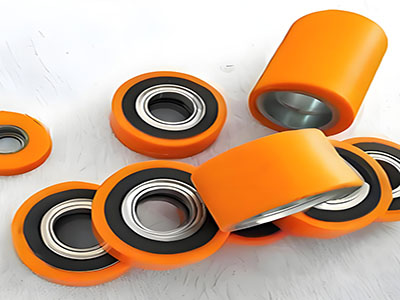
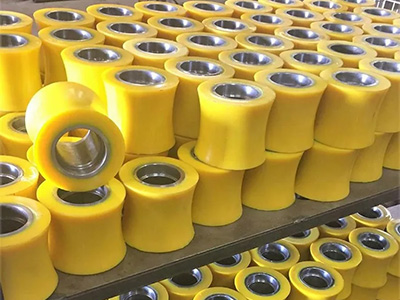
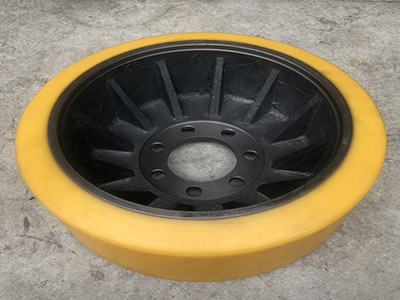
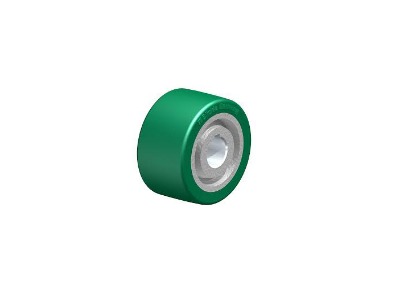
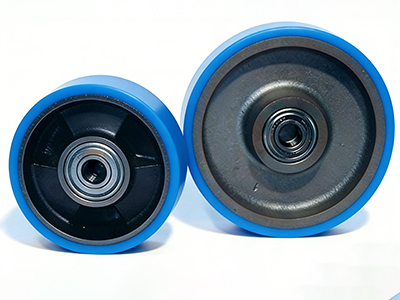
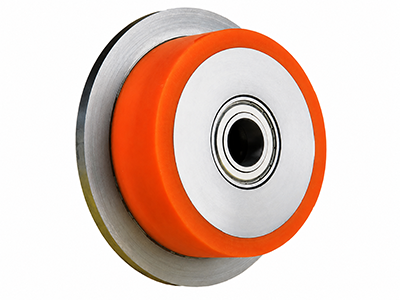
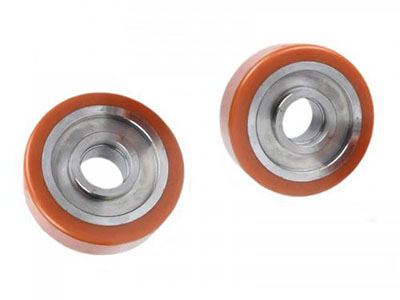
Polyurethane vs. Rubber & Metal: Why PU is the ultimate choice for non-marking friction wheels in semiconductor wafer handling. Clean, durable, and anti-static.
In the "extreme challenge" of semiconductor wafer manufacturing, where cleanliness requirements are incredibly stringent, every single wafer is both priceless and fragile. As a core component of material handling, the choice of friction wheels directly impacts the cleanliness of the production environment and the final product yield. Traditional rubber and metal wheels are increasingly revealing their limitations in high-standard cleanroom environments, such as particle shedding, floor scarring, and Electrostatic Discharge (ESD) damage.
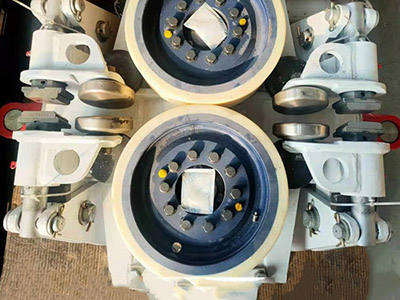
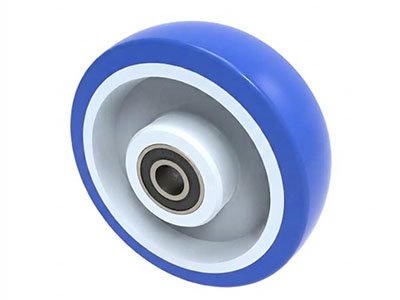
In contrast, Non-Marking Polyurethane (PU) Friction Wheels, with their superior material properties, are becoming the preferred solution for wafer handling equipment such as OHT (Overhead Hoist Transport), AGVs, and EFEM (Equipment Front End Modules). This article explores why polyurethane is the top choice for zero-mark friction wheels, highlighting its three key performance benefits over traditional rubber and metal materials.
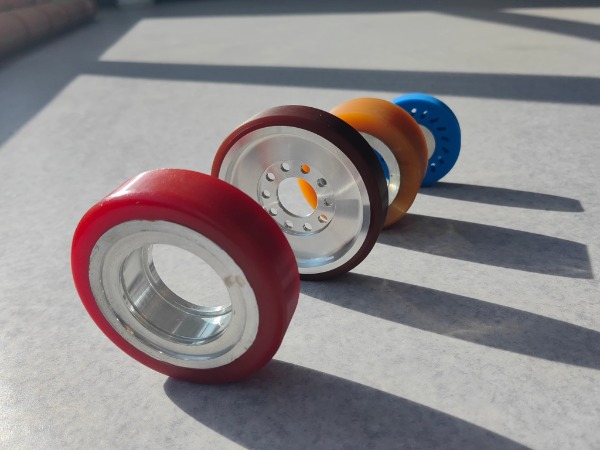
Ultimate Cleanliness: Eliminating Micro-Dust to Protect the Yield Lifeline
In semiconductor manufacturing, even micron-sized dust can lead to the scrapping of an entire wafer. Traditional rubber wheels tend to age and wear during long-term rolling friction, generating rubber particles and outgassing volatile organic compounds (VOCs). Metal wheels, while high in hardness, can easily produce metal debris if they encounter foreign objects or lack lubrication.
Non-marking PU friction wheels utilize high-purity, low-emission engineering formulas (such as NDI/Vulkollansystems) to solve pollution at the source:
1. Zero Particle Generation: Precision-molded to ensure the wheel body does not shed particles or release VOCs during high-frequency rolling friction. They fully comply with ISO Class 5 (Class 100) or even higher cleanroom standards.
2. Zero Residue: Unlike rubber, which easily adsorbs oil and dust, the polyurethane surface is dense and smooth. It resists dust accumulation and is easy to clean, ensuring the absolute cleanliness of the transport path.
Floor Protection: Dual Barriers of Zero-Scratch and Anti-Static Design
The epoxy self-leveling or PVC anti-static floors in wafer fabs are expensive to install and extremely sensitive to static electricity. Metal wheelshave extreme hardness; if tiny impurities get caught or operation is improper, they can leave irreparable scratches or damage the critical anti-static layer of the floor. Standard rubber wheelsmay accumulate static through friction, potentially leading to an ESD event that punctures precision chip circuits.
Non-marking PU friction wheels find the perfect equilibrium between hardness and elasticity:
1. Zero-Mark Protection: Their moderate modulus of elasticity distributes pressure evenly, preventing indentations and scratches. Even under heavy loads, they do not "gnaw" at the floor like metal wheels, maintaining the integrity of the workshop floor.
2. Anti-Static Design: By incorporating specialized conductive or anti-static agents, the surface resistivity of these wheels can be precisely controlled. This effectively prevents static buildup and safely dissipates electrostatic charges during transport, providing vital ESD protection for the wafers.
Superior Durability: High Load Capacity and Low Noise for Operational Efficiency
Beyond cleanliness, industrial scenarios demand high durability and operational efficiency. Rubber wheelsdeform easily under heavy loads, leading to high rolling resistance and energy consumption. Metal wheelsproduce significant noise and vibration, which can interfere with the stability of precision sensors.
Non-marking PU friction wheels demonstrate exceptional physical and mechanical performance:
1. High Load & Wear Resistance: The wear resistance of polyurethane is several times that of rubber, coupled with a much higher load-bearing capacity. At the same wheel diameter, it supports greater weight without deforming, significantly extending service life and reducing downtime for maintenance.
2. Silent Operation: Optimized PU materials offer excellent vibration-damping properties, keeping operating noise levels below 60 dB. This "silent movement" not only improves the working environment but also minimizes vibration interference with the internal precision instruments of the handling robots, ensuring high positioning accuracy.
Conclusion
In the semiconductor industry, where perfection is the baseline for yield and efficiency, details determine success. Non-marking polyurethane friction wheels—with their core advantages of zero particle generation, zero scratching, and anti-static properties—have successfully replaced traditional rubber and metal wheels. Choosing high-performance PU friction wheels is not just about protecting expensive wafers and equipment; it is an essential investment in the safeguarding of intelligent, high-yield manufacturing.
NDI Polyurethane: Why It Is Chosen for Roller Coaster Wheels
Polyurethane on Aluminum Wheels: 5 Life Factors