-
 WhatsApp: +86 19941574798
-
 sale06@kfqizhongji.com
 WhatsApp: +86 19941574798
sale06@kfqizhongji.com
WhatsApp: +86 19941574798
sale06@kfqizhongji.com
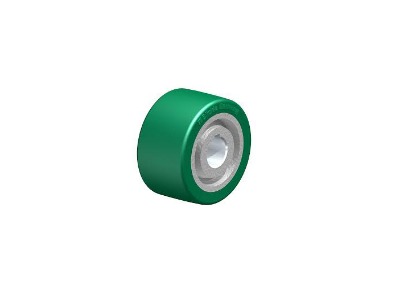
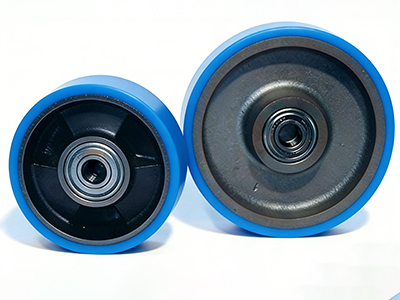
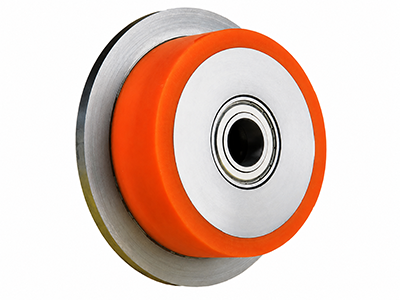
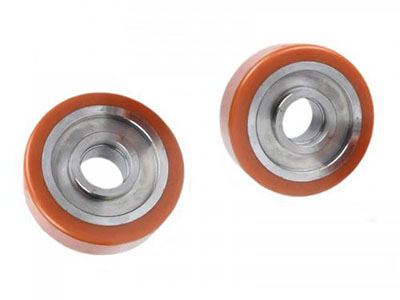
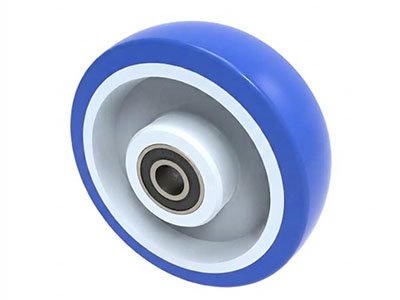
PU on aluminum wheel lifespan depends on balancing load-induced fatigue, speed-driven heat build-up, and environmental resistance to prevent material delamination or abrasive wear.
Polyurethane on aluminum wheels are engineered for high-load capacity, lightweight performance, and floor protection. However, their operational lifespan can vary significantly depending on several critical technical variables. Understanding these factors is essential for optimizing equipment uptime and reducing maintenance costs.
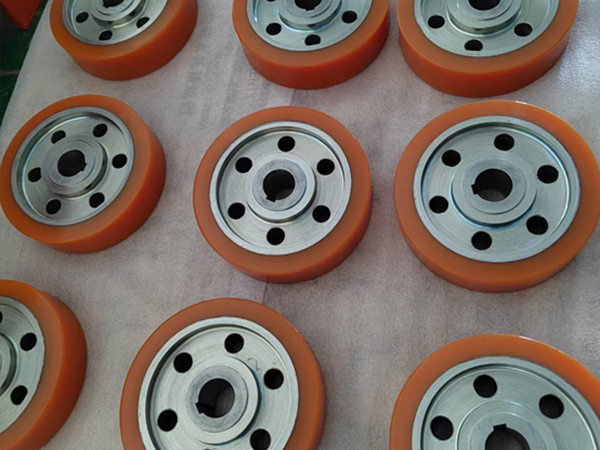
Load Capacity and Dynamic Stress
Overloading is the primary cause of premature wheel failure. When a wheel is subjected to loads exceeding its rated capacity, the polyurethane tread undergoes permanent deformation, commonly known as "flat spotting."
1. Static Load: Prolonged stationary periods under excessive weight can lead to irreversible compression.
2. Dynamic Load: Impact forces during operation can compromise the structural integrity of the aluminum core and the bond between the tread and the core.
Heat Build-up and Operational Speed
Polyurethane is an effective insulator, meaning it retains heat generated during continuous rotation.
1. Hysteresis: At high speeds (typically exceeding 4 km/h), internal friction within the polyurethane molecules generates "internal heat."
2. Bond Failure: If the heat exceeds the material’s thermal limits, the chemical bond between the polyurethane and the aluminum core weakens, leading to "degumming" or tread separation. Aluminum cores provide better heat dissipation than cast iron, but they cannot compensate for excessive speed.
Environmental Chemical Exposure
The chemical environment of the workspace plays a decisive role in material degradation.
1. Hydrolysis: In high-humidity or high-temperature environments, standard polyester-based polyurethane can undergo hydrolysis, causing the material to crumble or become brittle.
2. Chemical Attack: Exposure to certain oils, solvents, or acidic cleaning agents can degrade the polyurethane’s molecular chains. In such environments, specifying polyether-based polyurethane is recommended.
Floor Condition and Debris
The interface between the wheel and the floor determines the rate of surface wear.
1. Abrasive Surfaces: Rough concrete acts like sandpaper, accelerating tread thinning.
2. Debris Ingress: Metal shavings, gravel, or industrial waste can puncture the tread. Once the surface is compromised, repeated stress cycles cause these micro-cuts to expand, resulting in "chunking" (loss of tread pieces).
Bearing Integrity and Alignment
Mechanical efficiency is critical to wheel longevity.
1. Bearing Friction: Seized or poorly lubricated bearings increase rolling resistance, forcing the wheel to slide rather than roll, leading to severe flat spots.
2. Misalignment: If wheels are not perfectly parallel, they are subjected to lateral forces (scrubbing). This causes uneven wear on the tread edges and places unnecessary stress on the aluminum hub’s bearing seats.
Conclusion
To maximize the service life of Urethane on Aluminum Wheels, it is vital to balance load requirements with environmental conditions. Regular floor maintenance, strict adherence to speed limits, and routine bearing inspections are the most effective strategies for ensuring long-term operational reliability.
How Polyurethane Wheels Solve the Swelling Issue in Wet Processing
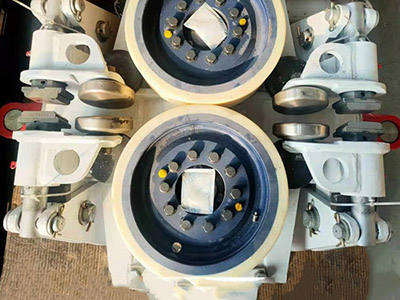
16 Sets of Semiconductor Automated Guided Vehicles (AGVs) Wheels Shipped to Japan