-
 WhatsApp: +86 19941574798
-
 sale06@kfqizhongji.com
 WhatsApp: +86 19941574798
sale06@kfqizhongji.com
WhatsApp: +86 19941574798
sale06@kfqizhongji.com
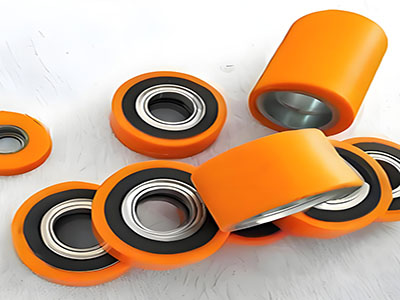
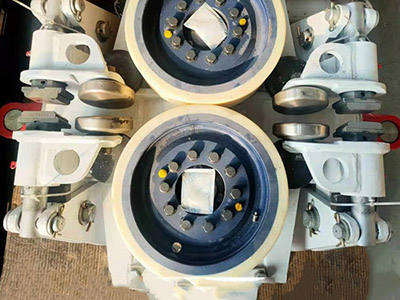
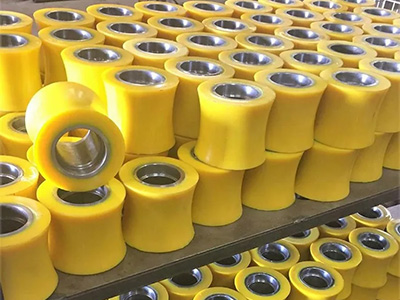
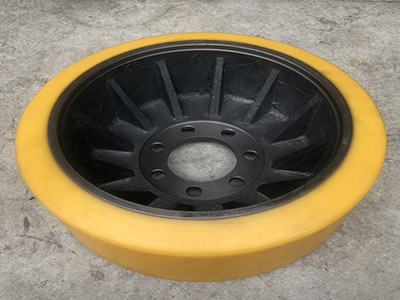
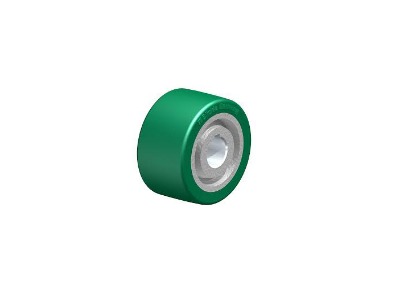
High-performance polyurethane AGV drive wheels ensure low heat, low resistance, wear and tear resistance, and instant rebound. Ideal for logistics, manufacturing, cleanroom, and food industries.
In the rapidly evolving landscape of smart manufacturing and automated logistics, Automated Guided Vehicles (AGVs) have become the unsung heroes of the warehouse floor. From precision material transport to heavy-duty pallet handling, these machines drive efficiency and slash labor costs.
However, an AGV is only as reliable as its contact point with the ground: the drive wheel. To withstand the rigors of 24/7 operation, industry leaders are increasingly turning to high-performance polyurethane (PU) wheels to ensure peak performance.
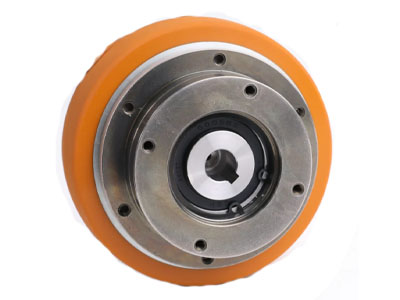
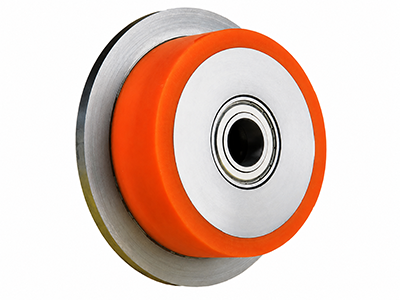
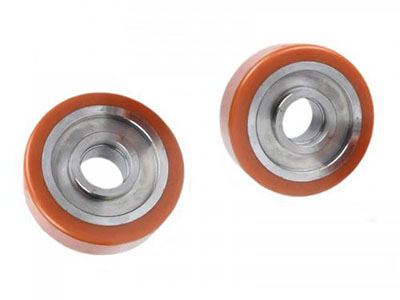
Unlike standard rubber wheels, polyurethane AGV drive wheels are chemically engineered to balance load-bearing capacity with dynamic flexibility. Typically formulated within a hardness range of 80A to 95A, these wheels offer a suite of mission-critical characteristics:
1. Low Heat Generation: Continuous high-speed travel creates internal friction. Advanced PU formulas minimize heat build-up, preventing the material from softening or failing during extended shifts.
2. Minimal Rolling Resistance: By reducing the energy required to move, these wheels directly contribute to extended battery life and lower energy consumption for the entire fleet.
3. Wear & Tear Resistance: Engineered to endure constant floor contact and high-stress pivots, these wheels maintain their structural integrity even under significant shock loads.
4. Instant Rebound & Precision: High elasticity ensures the wheel returns to its original shape instantly. This provides superior traction, reduces vibration, and allows the AGV to maintain millimeter-level positioning accuracy.
| Model | Dimension | Wheel dimension (mm) | Wheel width (mm) | Install diameter (mm) | Load capacity (kgs) |
| AGV130/50 | 130*50 | 130 | 50 | 106 | 500 |
| AGV144/32 | 144*32 | 144 | 32 | 95 | 300 |
| AGV160/40 | 160*40 | 160 | 40 | 38 | 500 |
| AGV165/37 | 165*37 | 165 | 37 | 93 | 400 |
| AGV170/40 | 170*40 | 170 | 40 | 63 | 500 |
| AGV177/37 | 177*37 | 177 | 37 | 93 | 500 |
We understand that every automated system has unique requirements. If our standard models do not meet your specific needs, we offer comprehensive customization services, Looking for a specific model or a tailored solution? Contact our technical team!
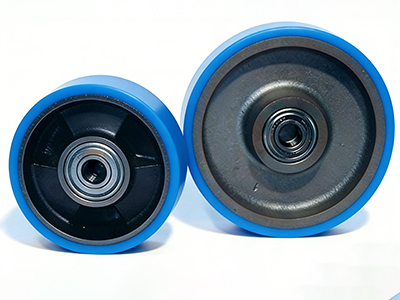
To optimize performance, the polyurethane coating must be paired with the correct core material based on the specific load and environmental demands:
The versatility of polyurethane makes it the gold standard across a vast spectrum of sectors:
1. Logistics & Warehousing: In massive fulfillment centers, PU wheels power automated pallet transporters and picking robots, ensuring the "last foot" of automation is as fast as the software driving it.
2. High-Tech Manufacturing: From automotive assembly lines to electronics plants, AGVs require wheels that won't mar floors or lose grip when transporting sensitive components.
3. Cleanrooms & Semiconductors: Utilizing stainless steel cores and low-emission polyurethane, these wheels ensure contamination-free operation in the world’s most sensitive production environments.
4. Food & Pharmaceutical: Hygienic, corrosion-resistant designs allow AGVs to operate safely in environments that require frequent wash-downs and strict adherence to sanitary standards.
As automation demands grow, the margin for error shrinks. Investing in high-performance polyurethane AGV drive wheels is not just a maintenance choice—it is a strategic decision to ensure low resistance, long-term durability, and the high-precision movement that modern industry demands.Looking to upgrade your fleet? Choosing the right combination of polyurethane grade and core material is the first step toward a more efficient, reliable automated future.
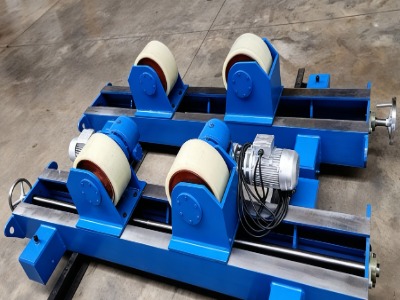
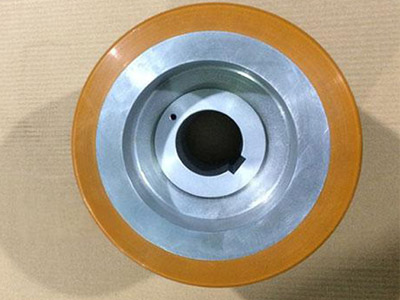
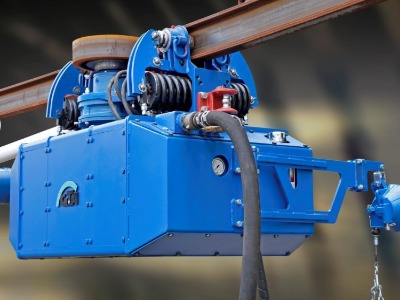
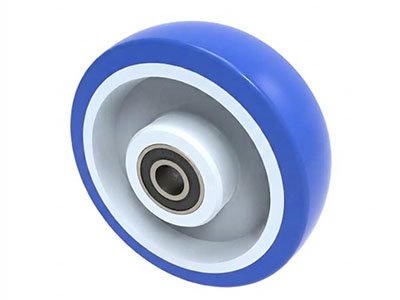
Automated Guided Vehicle (AGV) PU Wheels for Steel Pipe Transport
High-Speed Autonomous Mobile Robot (AMR) Wheels for Material Handling