-
 WhatsApp: +86 19941574798
-
 sale06@kfqizhongji.com

Blog
Polyurethane Forklift Wheels for Warehousing Pallet Handling
Protect your warehouse floors and reduce maintenance costs. Learn why polyurethane is the preferred material for electric forklifts and AGV drive wheels in modern, high-speed storage facilities.
As global supply chains demand higher operational speeds and stricter cleanliness standards, the choice of forklift components has moved from "basic maintenance" to "strategic optimization." At the heart of this shift is Polyurethane (PU). Whether used as drive wheels, load-bearing rollers, or pallet jack replacements, polyurethane has outpaced traditional rubber and nylon to become the industry benchmark.
Why Polyurethane Outperforms in High-Throughput Facilities
Modern warehouse floors—often treated with expensive epoxy or polished concrete—are high-value assets. The wrong wheel choice can lead to thousands of dollars in floor repairs and equipment downtime.
1. Advanced Floor Protection & Noise Reduction
Unlike hard nylon or abrasive metal wheels, polyurethane provides a "cushioning" effect. It absorbs high-frequency vibrations and reduces decibel levels during operation, creating a safer, quieter environment for operators. Most importantly, it is non-marking, ensuring pristine floor conditions.
2. High Load-Bearing Capacity & Shape Integrity
Standard rubber tires often deform under static heavy loads, leading to "flat spots." Polyurethane exhibits superior compression set resistance. Even under the weight of a fully loaded reach truck, PU wheels maintain their circularity, ensuring a smooth "first-inch" move every time.
3. Optimized Rolling Resistance
Energy efficiency is the backbone of green warehousing. Polyurethane has a significantly lower rolling resistance than rubber.
The Result: Reduced battery draw on electric forklifts and AGVs, leading to 15-20% longer duty cycles between charges.
Engineering Classification: Choosing the Right Wheel
Selecting the correct wheel is not a "one size fits all" process. Industrial polyurethane wheels are categorized by their specific mechanical stress profiles:
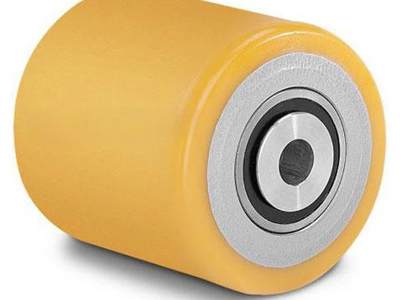
Wheel Type | Primary Function | Ideal Application |
Drive Wheels | Transmit torque and provide braking grip. | Electric Forklifts, AGVs, Stackers |
Load-Bearing Rollers | Support the bulk of the pallet weight. | Walkie Pallet Jacks, Order Pickers |
Stabilizer/Caster Wheels | Maintain lateral balance during high-lift turns. | Reach Trucks, Narrow-Aisle (VNA) Trucks |
Press-on Tires | High-density PU bonded to steel bands for heavy lifts. | Counterbalance Forklifts |
The Science of "No-Bond-Failure"
The most common failure in cheap wheels is delamination (the PU peeling off the metal core). High-quality wheels utilize advanced chemical bonding agents and precision-machined hubs. This ensures the wheel can handle the shear stress of rapid acceleration and heavy braking without failure.
Technical Tip: For cold-storage or wet-room environments, specify 90-95 Shore A hardness polyurethane with moisture-resistant additives to prevent hydrolysis.
Conclusion: Future-Proofing Your Fleet
Upgrading to premium polyurethane forklift wheels is an investment in uptime. By reducing floor wear, lowering energy consumption, and extending the mean time between failures (MTBF), you are directly improving your facility's bottom line. Contact us!
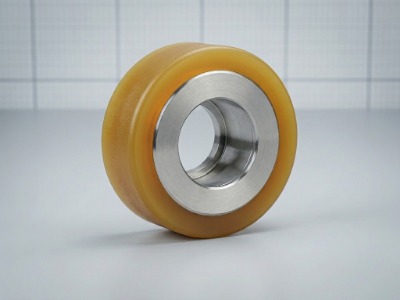
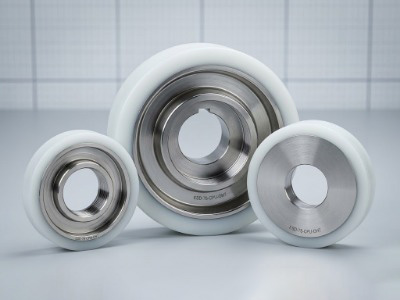
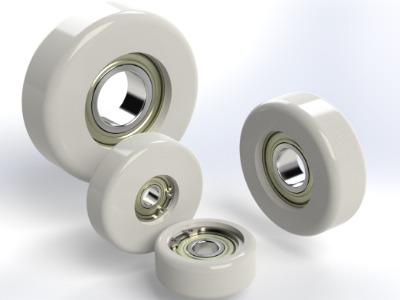
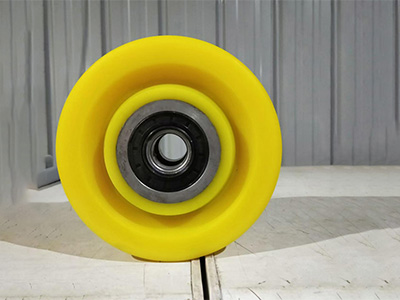
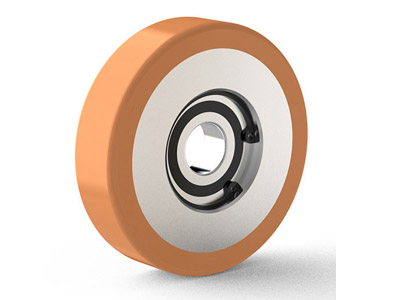
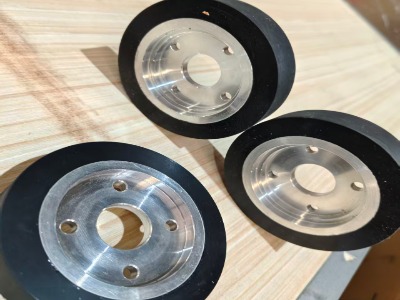
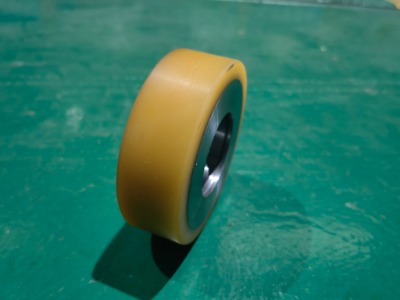
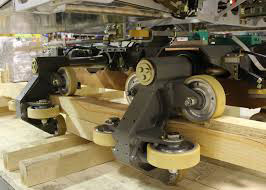
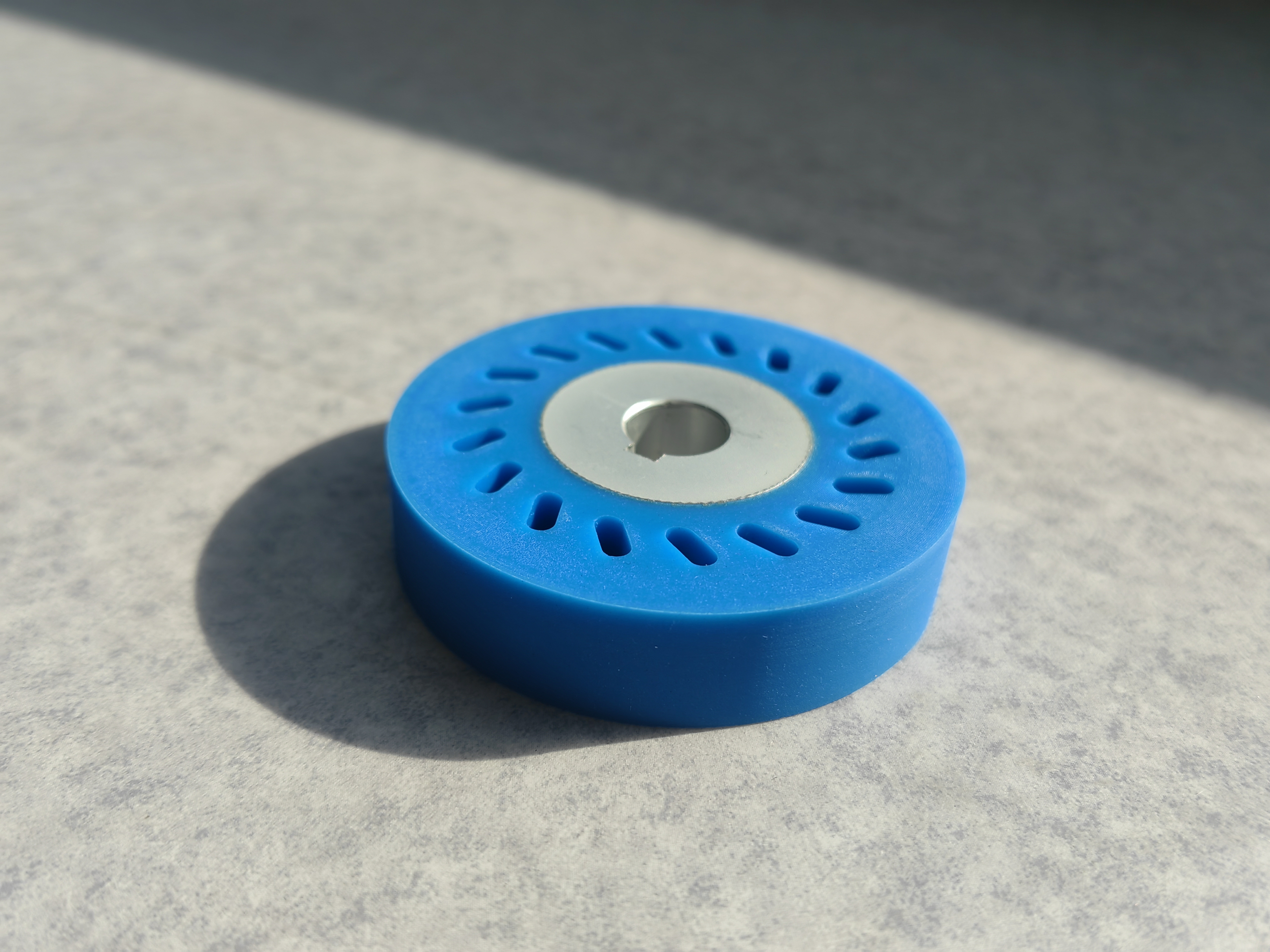
Advantages of Heavy-Duty Polyurethane Cast Iron Wheels
Mold-on Polyurethane Wheels