 WhatsApp: +86 19941574798


Heavy-Duty Polyurethane Load-Bearing Wheels
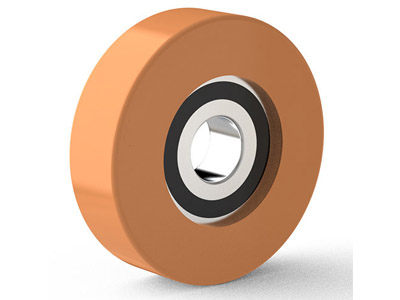
Polyurethane load-bearing support wheels have the characteristics of high elasticity, wear resistance, high load-bearing capacity, and long service life. They are widely used in high-load scenarios such as logistics and automation.
Technical Information
In the realms of heavy machinery, smart warehousing, and precision manufacturing, Polyurethane (PU) load-bearing wheels are often referred to as the "soul of mobility." Facing increasingly rigorous industrial environments—higher payloads, faster operating speeds, and complex floor conditions—traditional rubber wheels often fall short.

This article provides an in-depth exploration of the technical advantages, customized classifications, and the indispensable role of polyurethane wheels in the Industry 4.0 era.
I. In-Depth Analysis: Core Performance Advantages
Polyurethane is not a singular material but a high-molecular elastomer that can be tuned via molecular formulation. Its status as the preferred choice for heavy-duty applications stems from four "hardcore" characteristics:
1. Dynamic Load Capacity & Minimal Compression Set
The molecular structure of PU grants it extraordinary elastic recovery. Even under static pressures of 3–5 tons per wheel, it maintains a low compression set. This prevents the "flat spot" phenomenon during prolonged equipment parking, ensuring smooth motion upon startup.
2. Superior Energy Efficiency & Rolling Resistance
Compared to rubber, polyurethane features a significantly lower coefficient of rolling resistance. For AGVs or forklifts, this translates to a 15%–25% reduction in energy consumption, extending battery life and aligning with green manufacturing trends.
3. Environmental Resilience: From Cryogenic to Alkaline
Chemical Stability: Naturally resistant to oils, greases, and a wide array of industrial solvents.
Temperature Tolerance: Standard operation ranges from -60°C to 70°C, with specialized formulas available for even more extreme thermal environments.
4. Floor Protection & Acoustic Technology
Polyurethane provides excellent grip without leaving marks. Its inherent damping properties absorb high-frequency vibrations, reducing operational noise by up to 20 dB—a critical factor in building "silent factories."
II. Material & Structure: The Engineering Behind the Quality
A high-performance wheel is a result of integrated engineering, involving more than just the outer PU layer:
Core Materials:
Cast Iron/Ductile Iron: The classic choice; cost-effective with high load-bearing strength.
Forged Steel: The highest mechanical strength for ultra-heavy-duty loads.
Aluminum Alloy: Lightweight design, ideal for medium-duty AGVs and mobile robotics.
Advanced Bonding Process: Philson utilizes industry-leading chemical bonding technology to ensure the peel strength between the polyurethane and the core. This eliminates the risk of "de-bonding" or delamination during high-speed rotation or peak loads.
III. Technical Specifications Reference (at 20°C)
By adjusting the Shore Hardness, we can customize PU wheels to prioritize specific performance metrics:
Property | Unit | 75A | 80A | 85A | 90A | 95A |
Tensile Strength | MPa | 18 | 26 | 35 | 38 | 45 |
Elongation at Break | % | 600 | 580 | 550 | 530 | 500 |
Tear Strength (Non-nicked) | kN/m | 50 | 60 | 73 | 105 | 120 |
Abrasion Loss (Volume) | mm³ | 45 | 40 | 30 | 30 | 30 |
Resilience | % | 50 | 55 | 50 | 48 | 40 |
Compression Set | % | 25 | 23 | 22 | 20 | 18 |
Friction Coeff. (on Steel) | / | 0.8 | 0.75 | 0.6 | 0.5 | 0.45 |
IV. Targeted Industry Solutions
1. Automated Logistics (AGV/RGV)
In smart factories, AGVs require frequent start-stop cycles. We provide high-friction, low-wear drive wheel formulas that ensure navigation precision and millimeter-level positioning accuracy.
2. Heavy-Duty Handling & Mining
To combat high impact loads, Philson has developed a High-Tear Resistance Series that prevents tread chipping or chunking when traversing gravel or uneven surfaces.
3. Cleanroom & Pharmaceutical Environments
We offer customized Anti-Static (ESD) and Non-Marking series. These not only meet strict hygiene standards but also prevent static buildup that can damage sensitive electronic components.
V. Maintenance & Selection: Maximizing Service Life
To ensure the highest return on investment, consider the following:
Load Calculation: Always include a safety factor. We recommend: Required Capacity per Wheel = (Vehicle Weight + Max Load) / 3 (for 4-wheeled vehicles, accounting for uneven floors).
Surface Inspection: Regularly clear the tread of embedded metal shavings or debris to prevent secondary damage.
Bearing Lubrication: While the PU tread is maintenance-free, periodic lubrication of the bearings is vital for smooth operation.
Conclusion: Customization is the Core Competency
Every piece of equipment and every production line has unique requirements. Philson does more than manufacture wheels; we provide end-to-end solutions—from chemical formulation R&D to precision manufacturing.
Are you frustrated by frequent wheel replacements?
Contact the Philson expert team today for a free site assessment and custom solution samples. Let us help your industrial equipment run steadier and longer.
You have questions, we have answers. Contact us today. Our skilled customer service specialists can help you make the right choice in polyurethane applications.
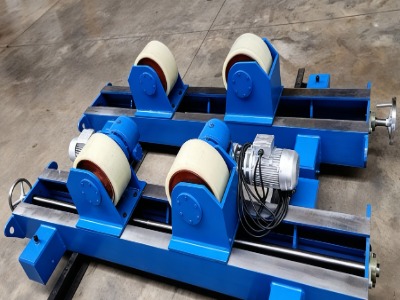
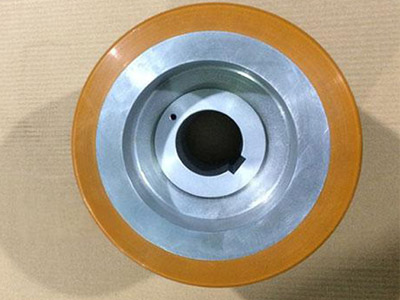
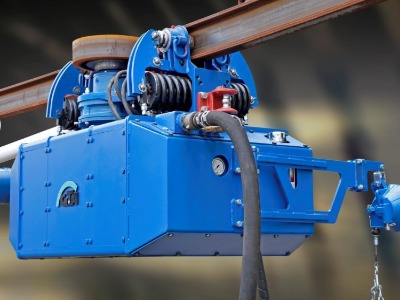
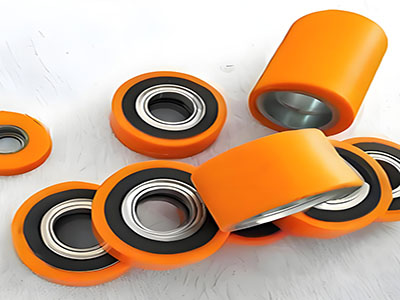
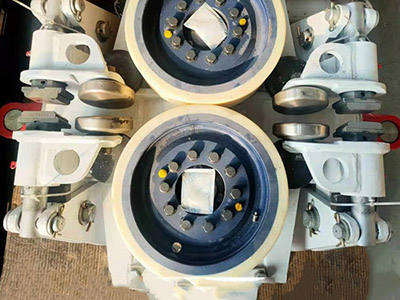
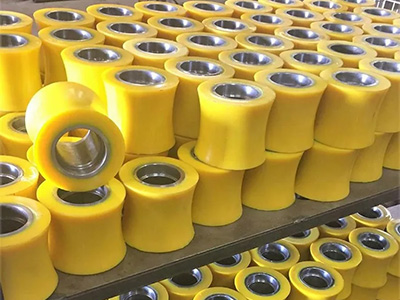
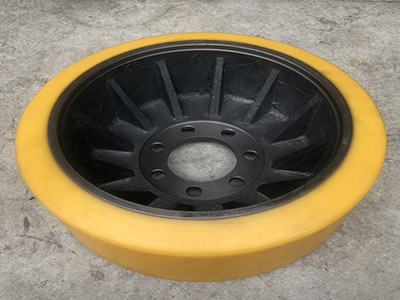
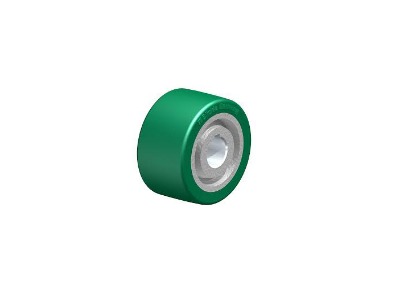
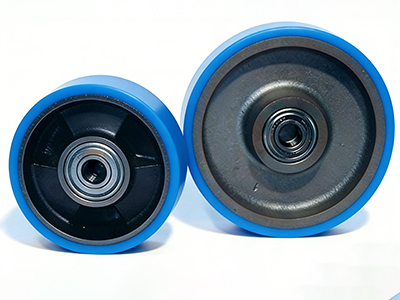
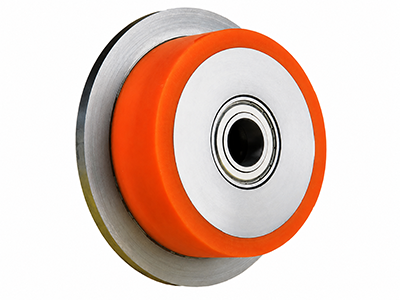
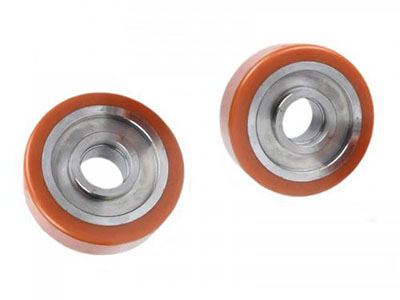
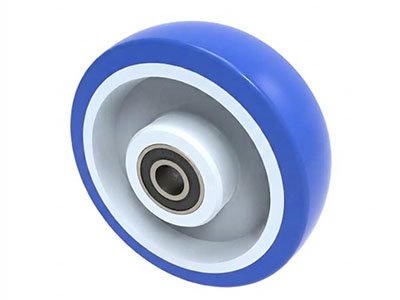
Polyurethane (PU) Drive Wheels
Polyurethane-Covered Bearing Wheels