 WhatsApp: +86 19941574798


Polyurethane Wheels in Friction-Driven Logistics
High-performance polyurethane wheels for friction drive systems (RGV, EMS, AS/RS). Superior wear resistance, stable friction coefficient, and high load capacity for modern automated logistics.
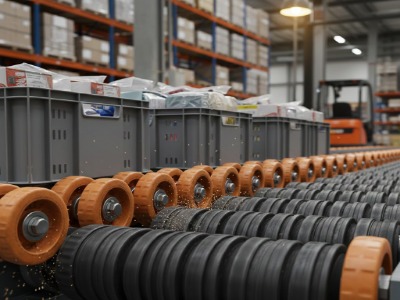
Technical Information
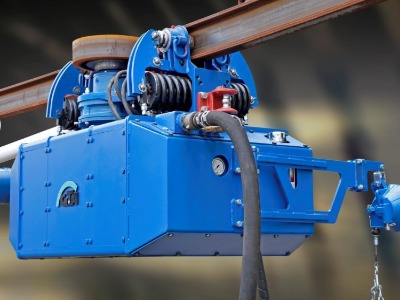
In the fields of automated logistics and heavy-duty transportation, friction-driven vehicles, such as friction RGV (Rail Guided Vehicles), electrified monorail systems (EMS), and amusement rides, rely primarily on the friction between the drive wheels and the track to transmit power.
The operational efficiency of the entire system depends on two core elements: the coefficient of friction and material durability. This is why high-performance Polyurethane (PU) has almost entirely replaced rubber and steel wheels in the field of high-performance friction drive wheels and components, becoming the industry standard.
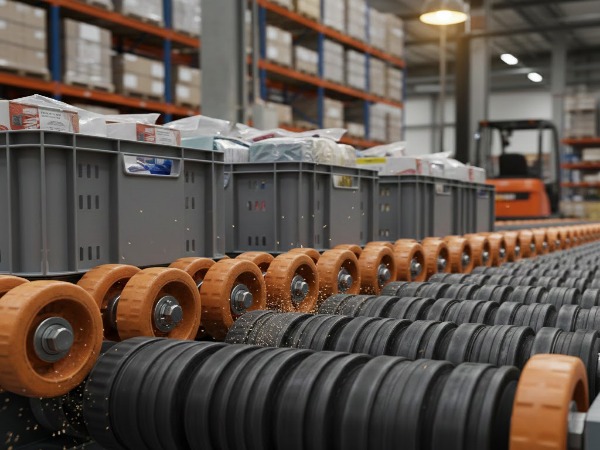
1. Key Components in Friction-Driven Vehicles
The working principle of a friction drive system involves pressing a rotating drive wheel against a fixed track or steel cable. Unlike gear-driven systems, it does not rely on mechanical interlocking; power is transmitted entirely through the contact surface.
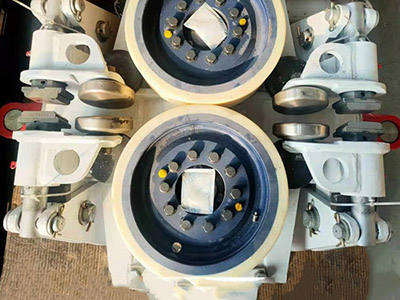
Key components include:
Drive Wheels: The core source of power, which must possess extremely high grip.
Guide Rollers: Ensure the vehicle is precisely aligned on the track while minimizing frictional loss.
Tension/Pressure Rollers: Provide the necessary normal force to prevent the drive wheel from slipping during startup or climbing.
2. Core Advantages of Friction Transmission Materials
Materials used for friction power transmission must balance a fundamental contradiction: they must be hard enough to support heavy loads, yet elastic enough to provide grip.
Stable Coefficient of Friction: Traditional rubber tends to age, become brittle, or undergo vitrification,leading to a drop in friction and slippage, which causes positioning errors in automated systems. High-performance polyurethane formulations maintain a stable friction coefficient across a wide temperature range, ensuring the precision of RGVs during acceleration and braking.
Superior Wear Resistance: Friction inherently causes wear. Polyurethane is renowned for its high tear strength and abrasion resistance. This translates to fewer maintenance downtimes and a lower Total Cost of Ownership (TCO).
High Load-Bearing Capacity: At the same hardness level, polyurethane’s load capacity is significantly higher than that of rubber. This allows RGV or shuttle systems to be designed more compactly while supporting heavier cargo.
3. Typical Applications of Polyurethane Wheels
We see the excellence of polyurethane wheels in several environments where precision and safety are paramount:
Automotive Assembly Lines: Friction-driven Electrified Monorail Systems (EMS) require extremely quiet operation and resistance to oil and grease.
Automated Storage and Retrieval Systems (AS/RS): High-speed shuttles require high initial acceleration and must not damage the track surface.
Amusement Equipment: Friction drive segments of roller coasters have stringent requirements for heat dissipation to ensure safety at extreme speeds.
4. How to Select the Right Polyurethane Material?
Not all polyurethanes are created equal. The key to optimizing a friction drive system lies in selecting the correct prepolymer and curing agent:
NDI Polyurethane: Suitable for severe operating conditions involving high speeds, heavy loads, and sensitivity to heat buildup.
MDI Polyurethane: Suitable for standard industrial friction drives, balancing cost-effectiveness with versatility.
Conclusion
Investing in high-quality friction drive wheels and components is the most direct way to enhance the reliability of a material handling system. By applying advanced friction transmission materials, enterprises can achieve higher operating speeds, heavier loads, and a significant reduction in equipment maintenance costs.
You have questions, we have answers. Contact us today. Our skilled customer service specialists can help you make the right choice in polyurethane applications.
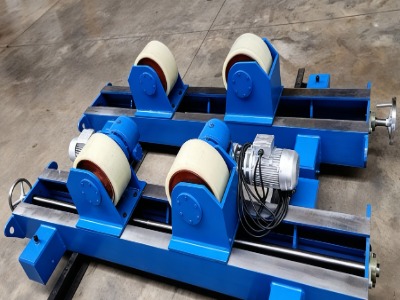
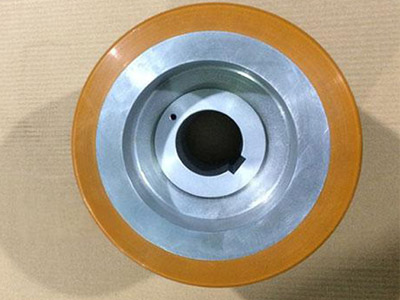
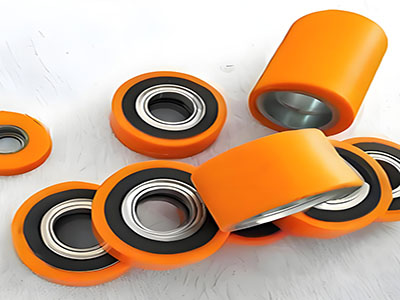
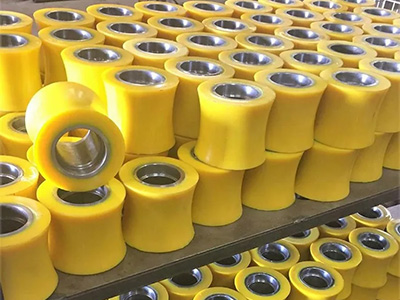
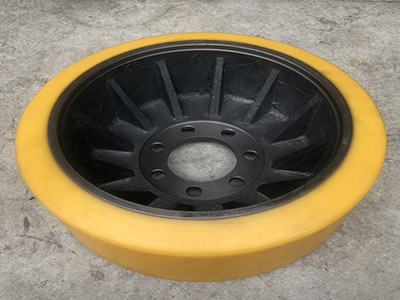
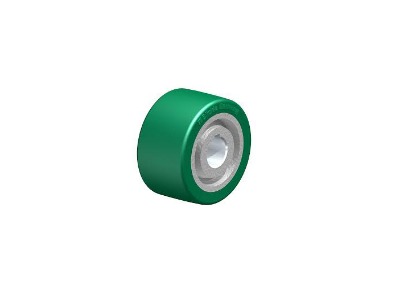
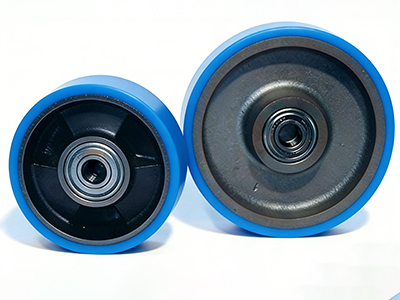
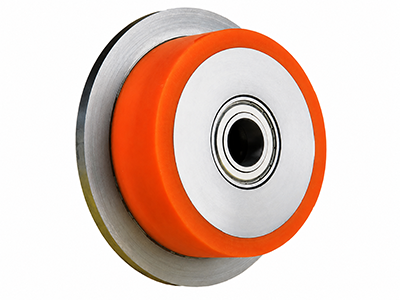
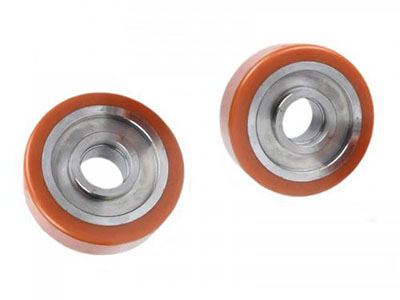
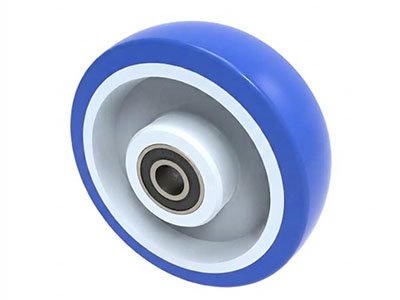
Industrial Polyurethane Elastomer Wheels
Custom Polyurethane Guide Rollers & Wheels