-
 WhatsApp: +86 19941574798
-
 sale06@kfqizhongji.com
 WhatsApp: +86 19941574798
sale06@kfqizhongji.com
WhatsApp: +86 19941574798
sale06@kfqizhongji.com
Roller Coaster Wheel Assembly utilize high-performance Polyurethane to ensure exceptional load-bearing capacity and thermal stability under high G-forces.
Triple-Wheel Systems for Roller Coasters
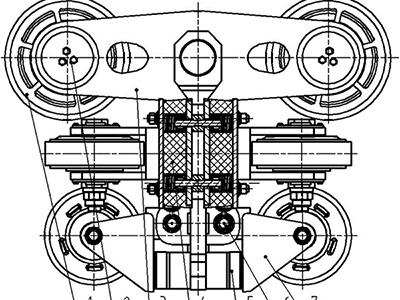
To ensure comprehensive safety locking, a standard roller coaster wheel assembly consists of the following three components:
Road Wheels (Running Wheels): Located on top of the rail. These are the largest wheels, responsible for bearing the weight of the vehicle and passengers; they serve as the primary load-bearing points.
Side Friction Wheels: Located on the sides of the rail. They prevent lateral swaying and guide the vehicle through turns, acting like "hands" gripping the track from both sides.
Up-stop Wheels: Located underneath the rail. These are the "secret weapon" that allows coasters to loop and invert, maintaining contact with the bottom of the rail to prevent the train from lifting off during zero-gravity or inversions.
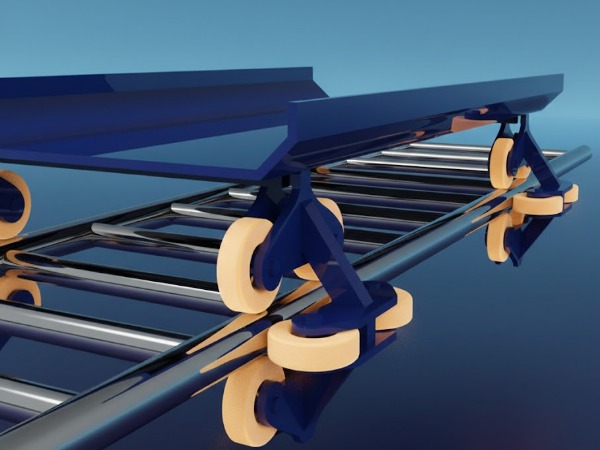
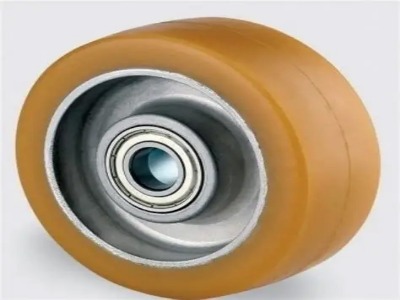
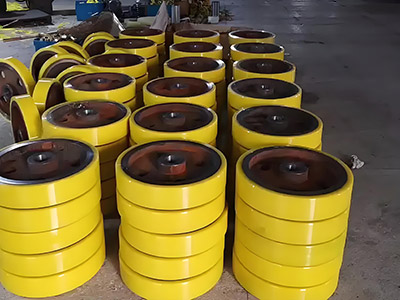
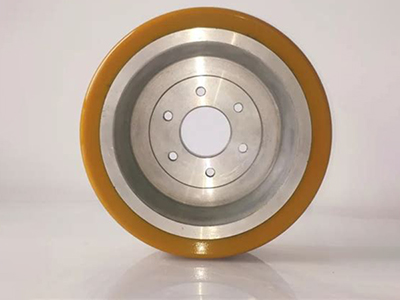
While early wooden coasters utilized flanged steel wheels—resulting in the piercing screech of metal-on-metal friction—modern coaster wheels typically feature aluminum or steel cores encased in a thick layer of Polyurethane.
Superior Grip: Provides high friction similar to racing tires to ensure efficient power transmission.
Noise & Shock Absorption: Absorbs impacts at rail joints for a smoother ride.
Heat Resistance: Maintains dimensional stability under the high friction of high-speed operation.
Learn more about how high-performance polyurethane composites are reshaping system reliability. Click to view the "Materials Engineering Application Guide" for full technical specifications. [ Book a Professional Consultation ]
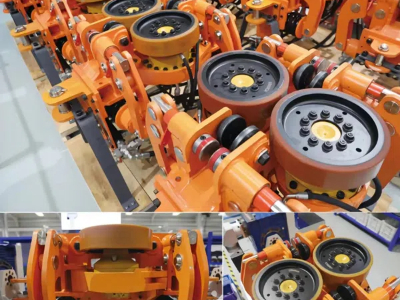
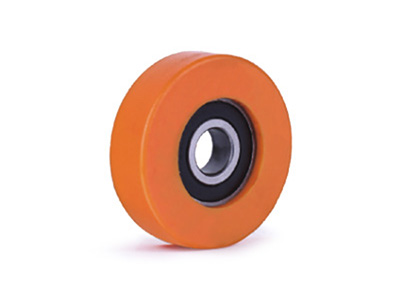
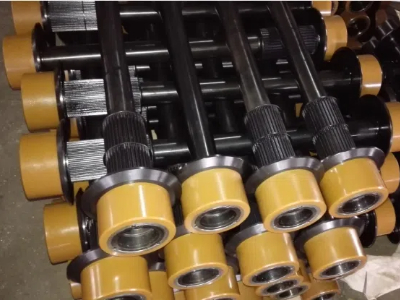
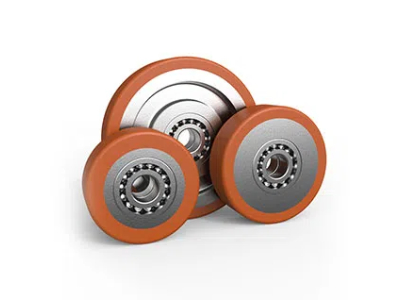
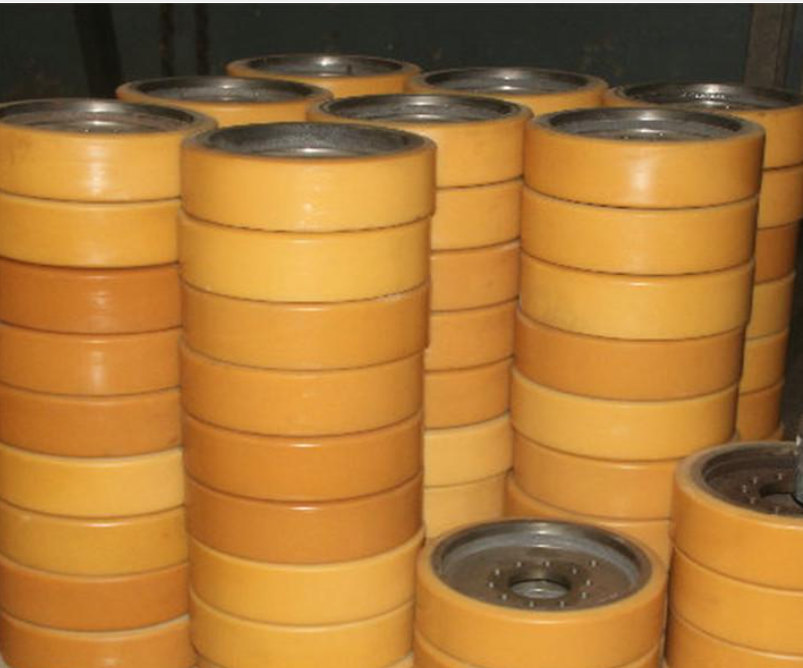
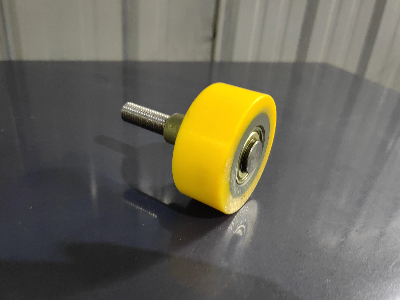
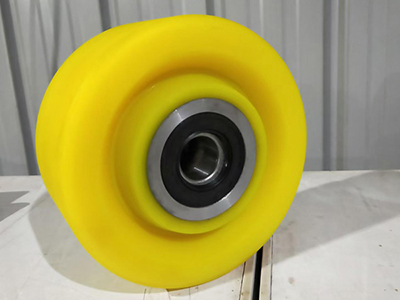
High-Speed Polyurethane Wheels for Roller Coasters
none