-
 WhatsApp: +86 19941574798
-
 sale06@kfqizhongji.com
 WhatsApp: +86 19941574798
sale06@kfqizhongji.com
WhatsApp: +86 19941574798
sale06@kfqizhongji.com
Steel pipe transport AGV wheels engineered with heavy-duty polyurethane deliver high load capacity and anti-delamination performance for 10 to 50+ ton industrial logistics.
How much does a single hour of unscheduled Automated Guided Vehicle (AGV) downtime cost your steel plant? In the demanding world of steel pipe logistics, moving tons of long, bulky, and hazardous cargo is a daily battle. But while engineers constantly optimize navigation software and battery efficiency, they often overlook the single most critical point of failure: the wheels. When standard wheels deform under crushing static loads or delaminate due to razor-sharp steel shavings, your entire automated system grinds to a halt. By moving away from over-engineered mechanical steering components, high-quality Polyurethane (PU) heavy-duty wheels have emerged as the unsung heroes—delivering the absolute reliability and foundational support that heavy-duty steel transport demands.
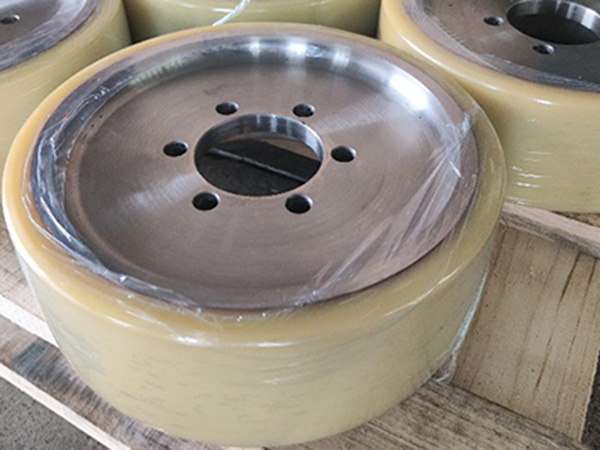
Transporting steel pipes involves massive tonnages (often ranging from 10 to over 50 tons). Due to the unique shape and weight distribution of the cargo, AGV wheels face severe operating conditions:
1. Extreme Static and Dynamic Loads: When steel pipes are bundled and stacked, the pressure is highly concentrated. The polyurethane layer must feature an extremely low compression set to prevent the wheels from developing "flat spots" during prolonged parking.
2. Oil Contamination and Metal Shrapnel Penetration: Steel pipe surfaces are frequently coated with anti-rust oil, and factory floors are often littered with sharp metal shavings and steel iron filings. The wheels must be oil-resistant and possess superior tear resistance to prevent sharp debris from puncturing and tearing the coating.
3. High Shear Stress from Frequent Turning: When a heavily loaded AGV steers on the spot or frequently corrects its path, the polyurethane layer is subjected to immense torsional shear stress, which can easily cause the polymer layer to separate from the metal core (debonding/delamination).
4. Risk of Thermal Degradation from Internal Heat Build-up: Continuous rolling under heavy loads generates intense internal heat due to cyclic alternating stress. Without proper heat dissipation, the material undergoes thermal degradation, leading to premature wheel failure.
Compared to standard rubber wheels or solid steel wheels, custom-engineered polyurethane wheels for steel pipe transport offer unmatched systematic benefits:
1. Maximum Load Density: The Young's modulus of polyurethane is significantly higher than that of rubber. For the same dimensions, a PU wheel can carry 3 to 5 timesthe load of a natural rubber wheel, allowing the AGV to easily handle tens of tons without increasing its physical footprint.
2. Excellent Shock Absorption and Surface Protection: Excessive vibrations during transport can cause steel pipe bundles to loosen or collide. Polyurethane provides exceptional elastic cushioning, absorbing impacts from uneven floors to protect sensitive onboard AGV electronics while preventing scratches on the pipe surfaces.
3. Superior Wear and Tear Resistance: High-performance polyurethane delivers 5 to 10 timesthe wear resistance of natural rubber. It maintains an extremely low wear rate against the abrasive friction of industrial floors, significantly extending the service life of the wheel system.
In the chain of heavy-duty smart logistics, the polyurethane wheel might seem like a small component, but it carries the safety of the entire vehicle asset and cargo. Whether you require custom wheels for new AGV buildsor upgrades and replacements for worn-out wheels, we leverage advanced polyurethane casting technology and a stringent quality control system to deliver high-performance wheels that are ultra-load-bearing, exceptionally durable, and guaranteed against delamination.
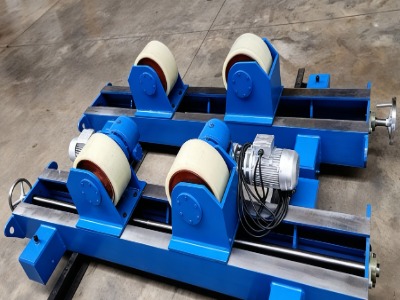
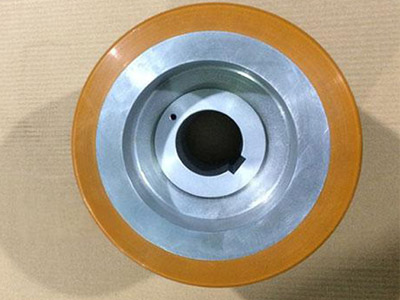
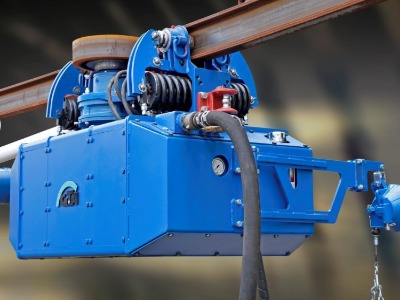
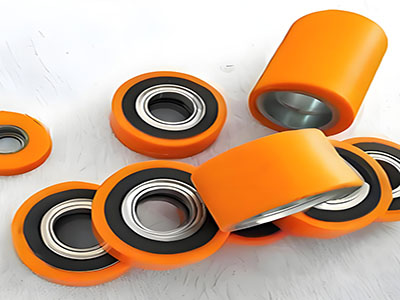
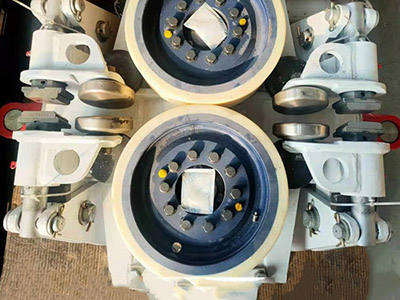
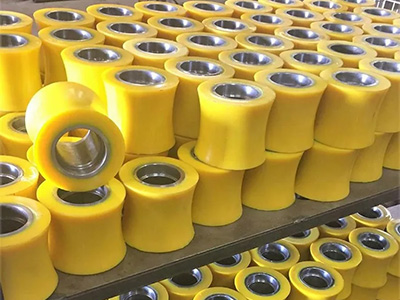
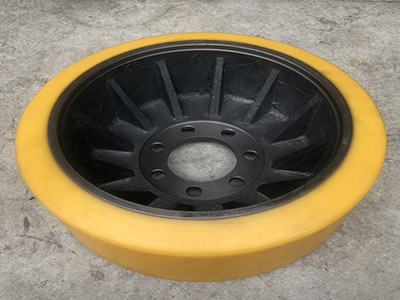
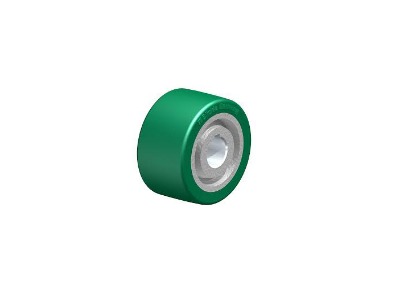
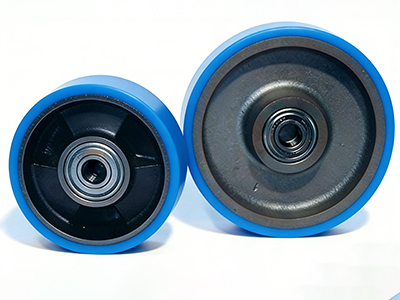
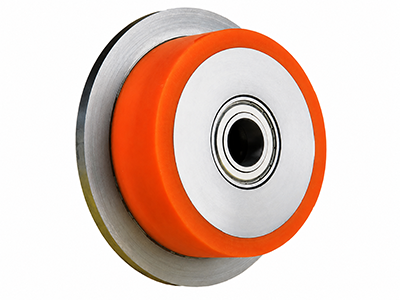
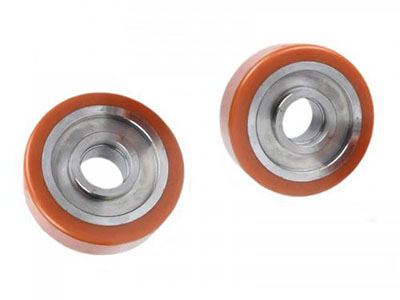
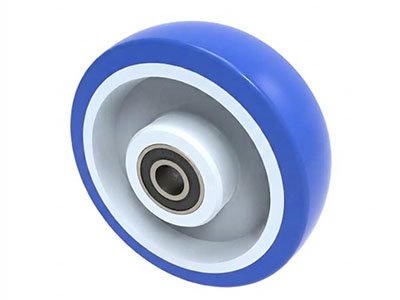
Polyurethane Drive Wheels for AGVs in Automated Warehouses
High-performance Automated Guided Vehicle (AGV) Drive Wheels