-
 WhatsApp: +86 19941574798
-
 sale06@kfqizhongji.com
 WhatsApp: +86 19941574798
sale06@kfqizhongji.com
WhatsApp: +86 19941574798
sale06@kfqizhongji.com
Advanced material science and rigorous safety factors allow our load and guide wheels to withstand 100+ km/h speeds, redefining the standards of amusement ride security.
When we discuss the exhilarating speed of a roller coaster or the complex mechanics of amusement ride safety components, the focus often shifts to the height and structure. However, the true unsung heroes are the industrial wheels hidden beneath the tracks. These Amusement Ride Wheels must withstand high-intensity loads, extreme impacts, and complex environmental conditions to ensure every journey is secure.
The Four Vital Roles of Amusement Ride Wheels
In the world of heavy-duty engineering, stability is maintained by different types of Industrial Wheels performing distinct functions:
1. Load Wheels: As the primary load-bearing components, these are the most critical Load Wheels in any system. They support the total weight of the equipment and passengers, requiring exceptional structural strength.
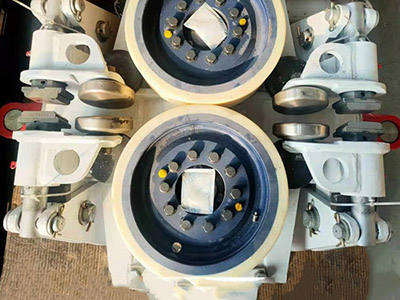
2. Guide Wheels for Roller Coasters: These are the first line of defense against derailment. Installed as Guide wheels / Side wheels, they "clamp" the track during high-speed turns, absorbing massive horizontal lateral forces.
3. Drive Wheels (Friction Wheels): These wheels use friction to propel the vehicle. They require superior grip and heat resistance to prevent slipping in high-speed applications.
4. Idler Wheels / Casters: These provide the necessary flexibility for equipment that requires precise steering and movement.
Material Science: Why Polyurethane is the Industry Gold Standard
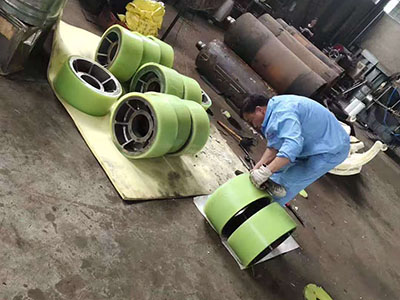
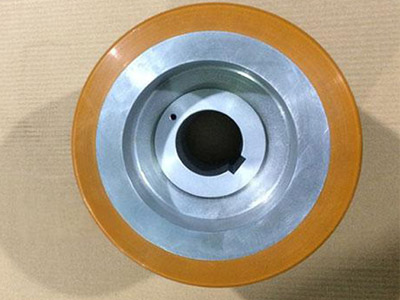
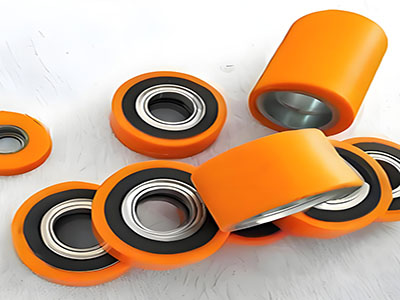
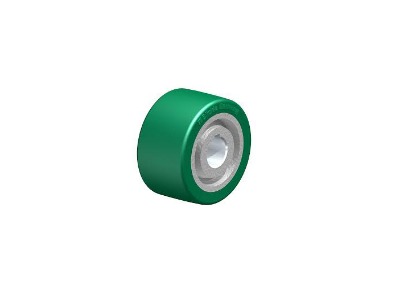
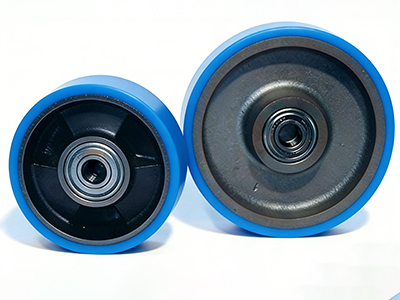
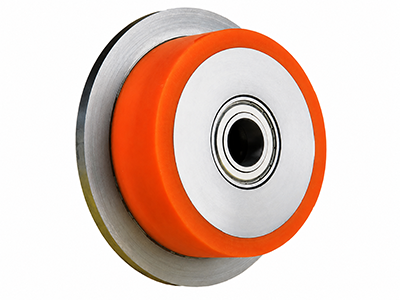
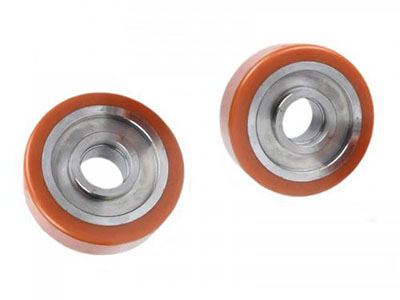
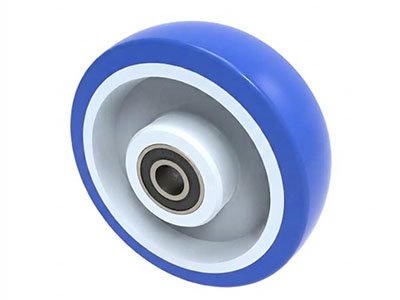
The performance of an amusement ride wheel is defined by its material. While Nylon offers rigidity and Rubber provides damping, High-Performance Polyurethane (PU) has become the gold standard for Polyurethane wheels for theme parks.
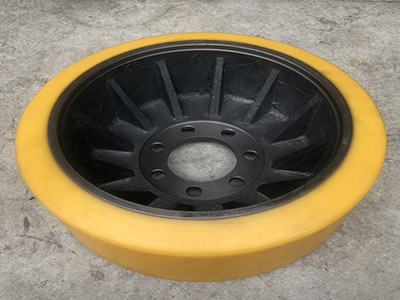
High-performance polyurethane perfectly balances load capacity with elasticity. Its superior shock absorption reduces noise and vibration, significantly enhancing passenger comfort. For operators, the wear resistance of Polyurethane wheels is several times higher than rubber, which effectively extends maintenance cycles and reduces total cost of ownership.
Engineering for Extremes: Selection Criteria for Roller Coaster Wheels
Choosing the right Roller Coaster Wheels involves more than just size; it is a rigorous engineering process.
1. Safety Factor: To handle the immense impact of sudden stops, a safety factor of 1.5 or higher is a strict industry requirement for Amusement Ride Wheels.
2. Dynamic Conditions: At speeds exceeding 100 km/h, wheels must manage extreme centrifugal forces and internal heat buildup.
3. Environmental Durability: Outdoor facilities require materials that resist UV rays, rain, and temperature fluctuations.
Technical Tip: When selecting Industrial Wheels for mechanical drive systems in Ferris Wheels, ensure the Drive Wheels possess a high coefficient of friction and superior wear resistance. High-performance Polyurethane wheel provide the necessary grip to prevent slippage during start-stop cycles, even in humid or outdoor conditions, ensuring smooth rotation and reduced motor strain.
Conclusion
It is these High-Performance Polyurethane wheels that provide the solid foundation for every "wonderful journey." At the intersection of safety and joy, advanced material science ensures that the only thing passengers need to worry about is how loud they can scream.
Polyurethane Forklift Wheels & Tires: Driving Efficiency in Material Handling
Polyurethane on Aluminum Wheels: 5 Life Factors