 WhatsApp: +86 19941574798


Polyurethane Flanged Wheels
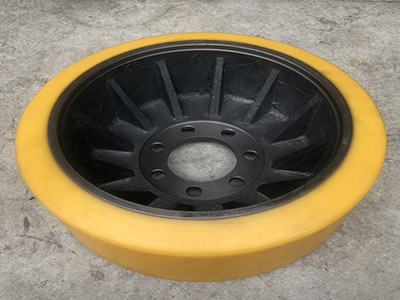
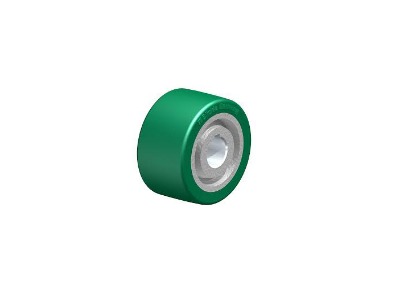
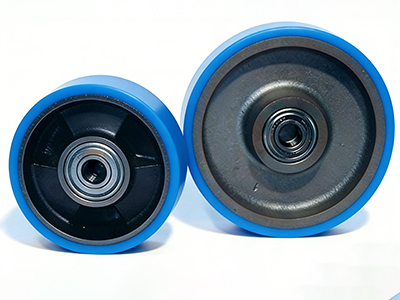
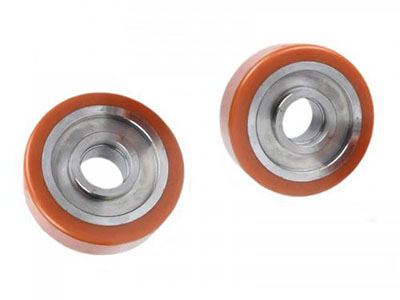
Polyurethane Flanged Wheels combine high-performance polyurethane elastomers with precision-engineered cores to deliver superior abrasion resistance, shock absorption, traction, and long service life in industrial environments.
Technical Information
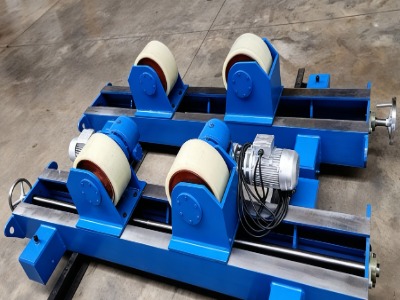
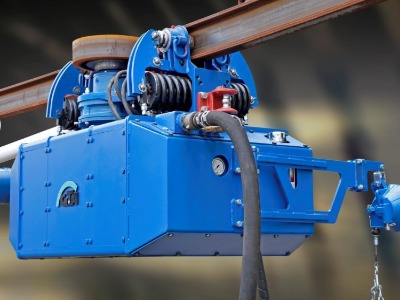
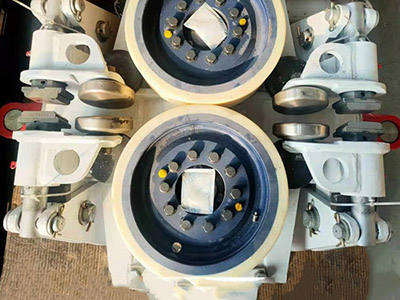
Polyurethane flanged wheels, also known as flanged urethane wheels or PU flanged wheels, combine the advantages of high-performance polyurethane elastomers with precision-engineered wheel cores to provide superior wear resistance, load capacity, shock absorption, and smooth operation. These wheels are widely used in conveyor systems, automated guided vehicles (AGVs), electric monorail systems, warehouse automation equipment, cranes, robotics, and complex industrial transport systems.
What Are Polyurethane Flanged Wheels?
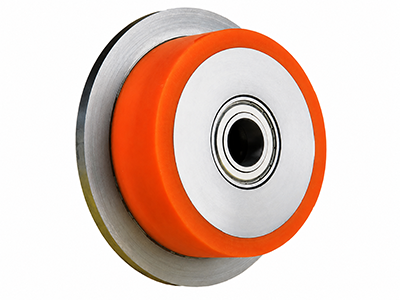
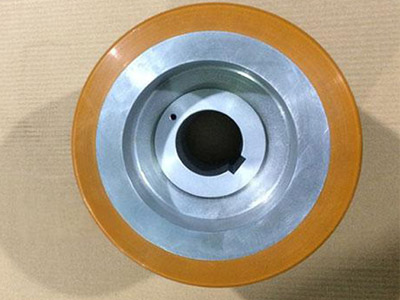
A polyurethane flanged wheel is an industrial wheel consisting of a rigid metal or polymer core with a high-performance polyurethane tire layer and an integrated flange design. The flange functions as a guiding structure that keeps the wheel aligned on rails, tracks, or guide profiles, preventing lateral movement during operation.
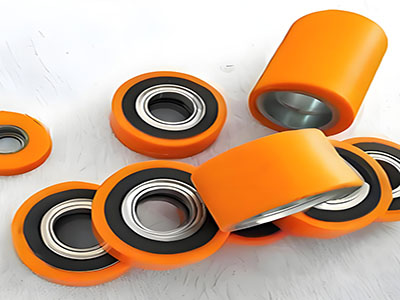
Core Components for Urethane Flanged Wheels
Polyurethane Tread Layer: Engineered for specific durometers (hardness) to balance grip and rolling resistance.
Wheel Core: Typically constructed from steel, aluminum, stainless steel, or cast iron to handle the primary load.
Bearing Assembly: High-precision ball or tapered roller bearings selected based on rotational speed and axial load requirements.
Flange Configuration: Available in single or double flange designs to suit specific track constraints.
Running Surface: Precision-machined to ensure concentricity and minimize vibration at high speeds.
Types of Polyurethane Flanged Wheels
1. Single Flanged Polyurethane Wheels
Single flange wheels feature one guiding flange located on one side of the wheel tread. They are the preferred choice when the application requires directional guidance but demands flexibility in installation or track navigation.
Advantages:
Simplified Installation: Easier to align and mount on existing rail systems.
Reduced Lateral Resistance: Minimizes friction when navigating curves.
Cost-Effective: Often more economical to manufacture and replace.
2. Double Flanged Polyurethane Wheels
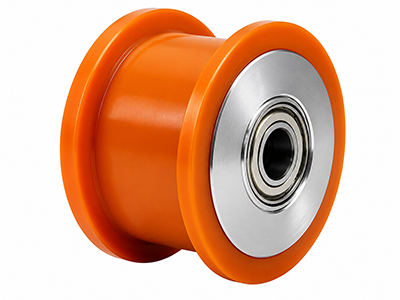
Double flanged wheels feature flanges on both sides of the tread, effectively "locking" the wheel onto the rail. This configuration is essential for high-precision, high-speed, or high-stability requirements.
Advantages:
Maximum Tracking Stability: Prevents "wandering" or derailment.
Enhanced Safety: The secure fit significantly reduces the risk of mechanical failure in overhead applications.
High-Speed Performance: Maintains stability even as cycle times increase.
Advantages of Flanged Urethane Wheels
1. Excellent Wear Resistance: Polyurethane exhibits superior abrasion resistance compared to rubber, nylon, or cast iron. In continuous operation, a high-quality PU tread resists "chunking" and tearing, ensuring a longer service life in dusty or metal-filing-prone environments.
2. High Load Capacity: Modern polyurethane formulations can support significant loads—often exceeding the capacity of rubber—without permanent deformation (compression set). By matching the correct durometer (typically 80A to 95A) with a heavy-duty steel core, these wheels can handle the rigorous demands of heavy automated equipment.
3. Low Noise and Vibration: Metal-on-metal contact creates significant decibel levels and harmonic vibration that can damage sensitive electronics or fasteners. Polyurethane acts as a vibration dampener, absorbing shock and creating a near-silent operating environment, which is vital for cleanrooms and high-tech manufacturing floors.
4. Protection of Rails and Equipment: Metal wheels act like grinding tools, causing wear on tracks and generating metal debris. Polyurethane protects the integrity of your track surface, significantly lowering the long-term maintenance costs of your entire infrastructure.
Polyurethane Chemistry: Selecting the Right Material
Performance is largely dictated by the chemical formulation of the polyurethane tread.
Material Type | Primary Benefits | Typical Application |
MDI Polyurethane | Balanced wear and elasticity | General conveyor and AGV wheels |
NDI (Vulkollan®) | Extreme load & abrasion resistance | Heavy-duty industrial and high-cycle automation |
PPDI Polyurethane | High-heat and high-dynamic resilience | Demanding, high-speed, high-stress environments |
Manufacturing Processes of Casting Polyurethane Wheels
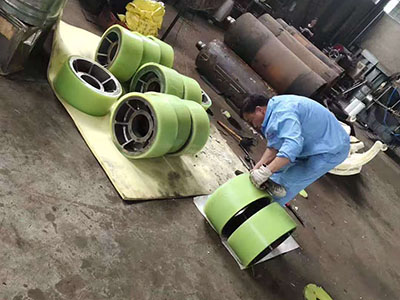
Cast Polyurethane Process: The liquid polymer is cast around the core in a mold. This creates a chemical bond between the PU and the core, which is essential for heavy-duty load-bearing applications.
Molded Polyurethane Process: The tread is molded under high pressure to ensure zero air bubbles and perfect density, ensuring high dimensional accuracy for high-speed rotation.
Polyurethane Recoating: For high-cost wheel cores (e.g., custom machined hubs), we can strip the worn PU and cast a new layer, providing a sustainable, cost-effective maintenance alternative.
How to Select the Right Polyurethane Flanged Wheel
To ensure the longest service life, consider the following technical parameters:
Dynamic Load: What is the maximum weight the wheel will carry while moving?
Durometer: Softer wheels (e.g., 80A) provide more grip and shock absorption; harder wheels (e.g., 95A) provide higher load capacity and lower rolling resistance.
Core Material: Steel is best for high-load, heavy-duty applications; aluminum is preferred for weight-sensitive applications.
Operating Environment: Does the environment include oils, chemicals, or extreme temperatures? We can formulate the PU to be hydrolysis-resistant or heat-resistant.
Track Geometry: Ensure the flange diameter provides adequate clearance for your rail profile to avoid "binding."
Polyurethane flanged wheels provide an ideal combination of strength, durability, precision guidance, and smooth operation. For engineers and OEM buyers in the AGV, robotics, and material handling sectors, choosing the right wheel is a critical decision that impacts system uptime and maintenance costs. Contact us.
You have questions, we have answers. Contact us today. Our skilled customer service specialists can help you make the right choice in polyurethane applications.
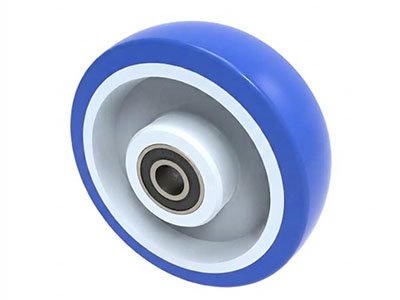
Custom Molded Cast Urethane Wheels
none