 WhatsApp: +86 19941574798


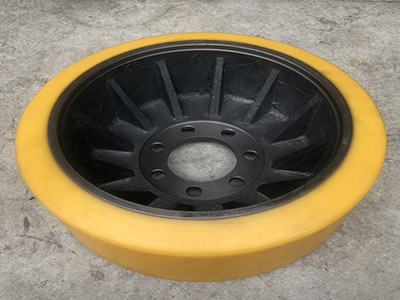
Keyed Polyurethane Bonded AGV Drive Wheel
Keyed Polyurethane Bonded AGV Drive Wheels designed for high torque transmission, heavy loads, and reliable performance for AGV, RGV, and industrial automation systems.
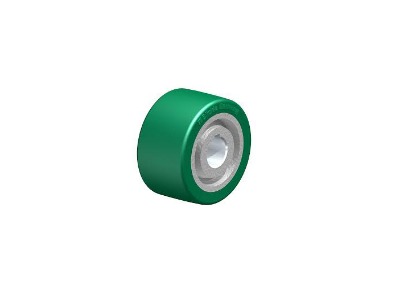
Technical Information
The Keyed Polyurethane Bonded Drive Wheel is designed for automated guided vehicles (AGVs), rail-guided vehicles (RGVs), and industrial automated transport systems requiring reliable torque transmission, excellent traction, and long service life.
Unlike standard polyurethane wheels, our polyurethane bonded AGV drive wheels feature a reinforced connection between the polyurethane tread and metal wheel core through a combination of mechanical key locking and advanced chemical adhesion technology.
This design ensures the polyurethane tire and metal core operate as a single integrated component, providing stable performance under heavy loads, frequent acceleration, braking, and continuous-duty operation.
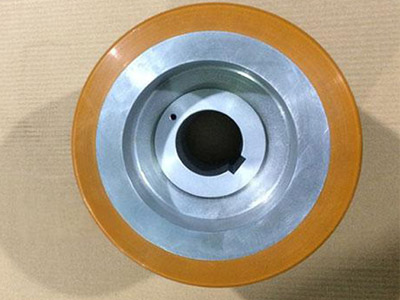
Polyurethane Bonded AGV Drive Wheel with Keyway Mounting Design
Modern AGV systems require drive wheels that can withstand high torque, repeated starts and stops, and demanding operating cycles.
A weak connection between the polyurethane tread and wheel core may cause: Polyurethane tire separation, Wheel slippage, Reduced traction, Unexpected AGV downtime
Our keyway AGV drive wheels use a specially engineered metal core with mechanical locking structures to improve bonding strength and ensure reliable power transmission.
Key benefits include:
High torque transmission capability
Excellent resistance to shear forces
Reduced risk of polyurethane debonding
Stable operation in continuous-duty applications
Custom AGV Drive Wheels Manufacturer
As a professional custom polyurethane wheel manufacturer, we provide OEM AGV wheel solutions according to customer requirements.
Customization options include:
| Customization Category | Available Options |
| Wheel Dimensions | • Wheel diameter • Wheel width • Tread thickness • Overall wheel structure |
| Wheel Core Materials | • Steel • Stainless steel • Aluminum • Cast iron |
| Mounting Options | • Keyway mounting • Bearing mounting • Shaft mounting • Flange mounting |
| Polyurethane Performace | • Different hardness grades • High wear resistance • High load capacity • Anti-static polyurethane • Low-marking polyurethane |
Applications of Keyed Polyurethane AGV Drive Wheels
Our keyed polyurethane AGV wheels are suitable for:
Automated Guided Vehicles (AGVs)
Factory logistics AGVs
Assembly line transport AGVs
Heavy-duty material handling AGVs
Rail Guided Vehicles (RGVs)
Warehouse transfer systems
Production line transport systems
Automated storage and retrieval systems
Industrial Automation Equipment
Conveyor transfer equipment
Smart factory logistics systems
Customized automated transport platforms
By combining mechanical key locking technology with advanced polyurethane bonding, our AGV drive wheels provide a reliable solution for modern automated material handling systems. Contact us.
You have questions, we have answers. Contact us today. Our skilled customer service specialists can help you make the right choice in polyurethane applications.
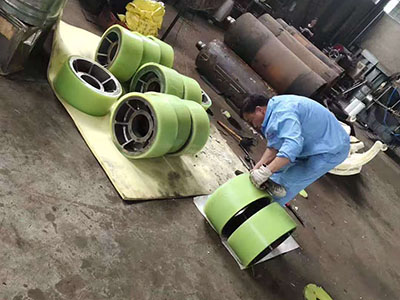
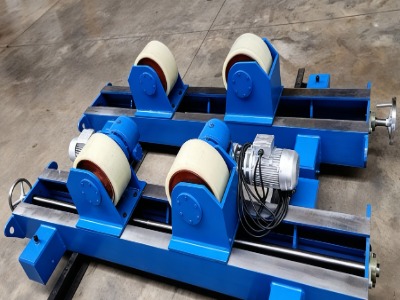
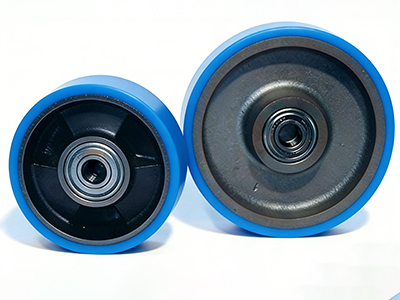
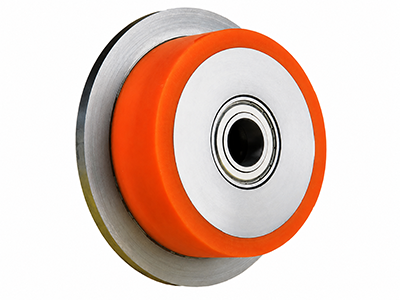
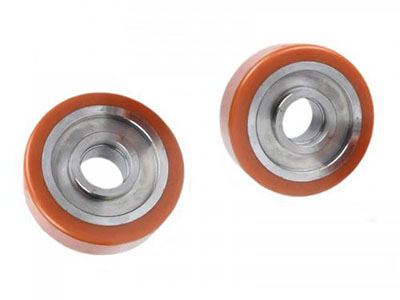
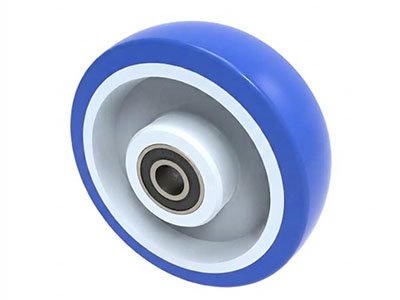
Polyurethane Tyred Iron-Centred Wheels
Custom Polyurethane Guide Rollers & Wheels