 WhatsApp: +86 19941574798


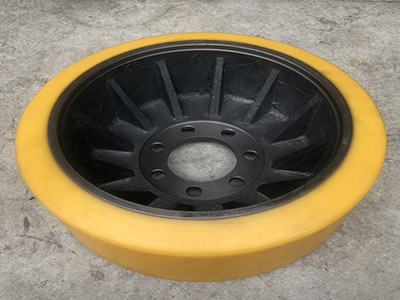
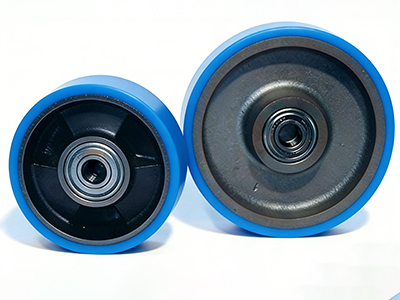
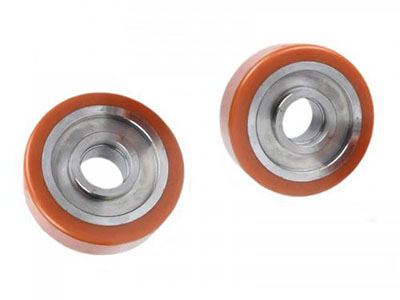
Polyurethane Tyred Iron-Centred Wheels
High-performance polyurethane-tyred iron-centred wheels combine superior load-bearing capacity with exceptional durability for the most demanding industrial material handling applications.
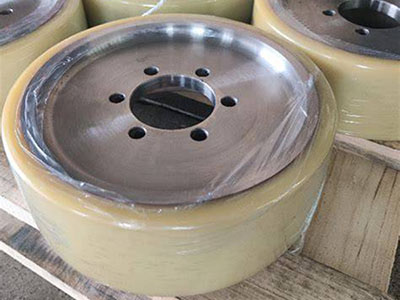
Technical Information
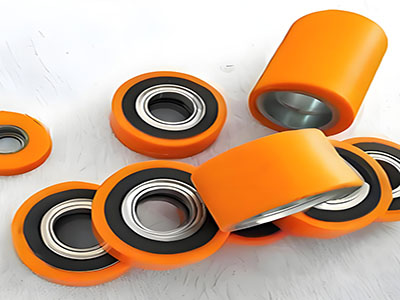
Polyurethane-tyred iron-centred wheels are engineered for high-performance material handling in logistics, manufacturing, and heavy-duty industrial environments. This wheel configuration integrates a durable polyurethane (PU) tread with a cast-iron core to achieve an optimal balance between load-bearing capacity, abrasion resistance, and operational longevity.
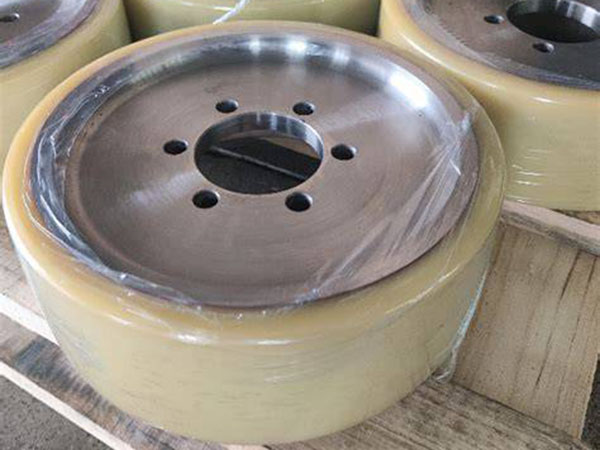
The Advantages of Polyurethane-Tyred Iron-Centred Wheels
High Load Capacity: The cast-iron core minimizes structural deformation under heavy static and dynamic loads, significantly exceeding the performance of polymer-only wheels.
Superior Abrasion Resistance: Polyurethane formulations provide significantly higher wear resistance than natural rubber, extending service intervals in abrasive industrial environments.
Vibration and Noise Attenuation: The PU tread acts as an effective damping layer, reducing mechanical vibration and operating noise compared to all-metal or nylon-core wheels.
Surface Protection: Engineered tread resilience prevents floor marking and structural damage to warehouse flooring while maintaining optimal traction.
Environmental Resilience: Formulations can be tailored for resistance to specific industrial contaminants, including oils, greases, and harsh chemicals.
The Application of Polyurethane Tread on Cast Iron Core Wheel
Aircraft Maintenance Trolleys: Used in hangars for moving aircraft engines and precision components, these iron-centred wheels provide superior structural stability and vibration damping, protecting sensitive aerospace sensors and electronic hardware from operating shocks.
Heavy-Duty Platform Trolleys: Designed for transporting large metal parts or industrial machinery within factories, these wheels rely on their robust iron cores and wear-resistant polyurethane treads to withstand abrasive floor conditions while carrying multi-tonne loads.
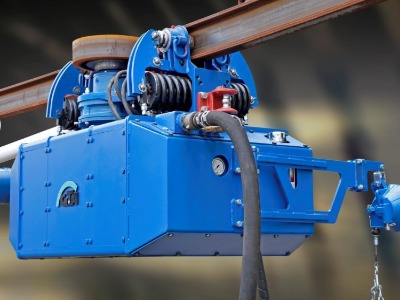
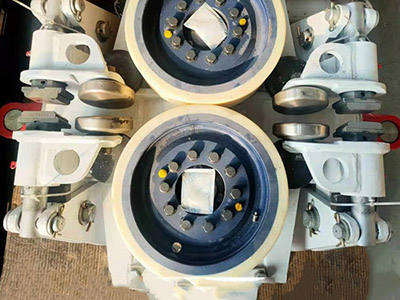
Heavy-Duty AGVs: These wheels ensure navigation accuracy through excellent dimensional stability. The iron core prevents tread deformation during 24/7 operations, ensuring the robots remain precise and reliable over long service lives.
Die-Handling Carts: Engineered for extremely heavy loads such as injection molding or stamping dies, the cast-iron core is essential to prevent structural collapse or permanent "flat-spotting" during extended stationary periods, ensuring the safe transport of massive tooling.
Custom Solutions for Your PU Tread Iron-centred Wheels
Beyond our standard range, we provide end-to-end customization to meet the specific requirements of your operational environment. We collaborate with your engineering team to deliver tailored solutions including:
Compound Customization: Specialized polyurethane formulations engineered for specific Shore hardness, high-temperature resistance, or electrostatic dissipation (ESD) requirements.
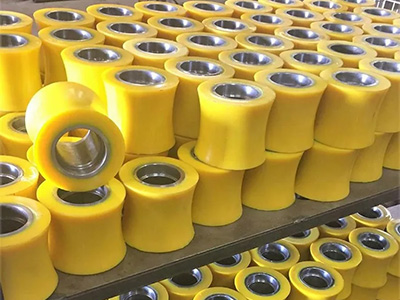
Precision Profile Machining: Custom tread profiles—including crowned, flat, or flanged designs—to suit specific rail systems, guidance tracks, or uneven terrain.
Core Optimization: Cast-iron cores can be engineered with specific bearing fits, keyways, or surface finishes (e.g., zinc plating or powder coating) to integrate seamlessly with your existing equipment.
Technical Consultation: Our technical team provides load-cycle analysis and material selection advice to optimize wheel life based on your specific duty cycles and operating conditions.
Whether you are optimizing an automated warehouse, streamlining a heavy manufacturing line, or ensuring the safety of high-value aerospace assets, our polyurethane wheels are designed to keep your operations moving with efficiency and absolute confidence. Contact us.
You have questions, we have answers. Contact us today. Our skilled customer service specialists can help you make the right choice in polyurethane applications.
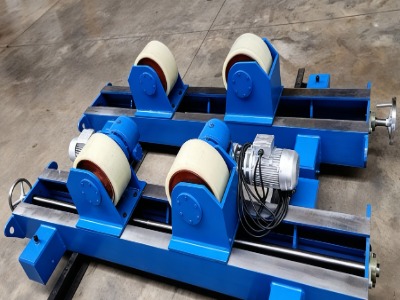
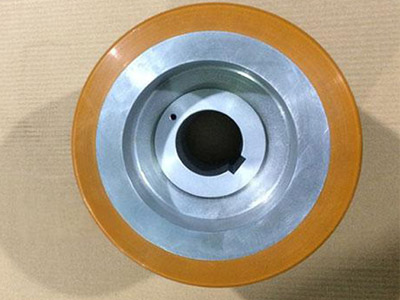
Polyurethane Tread Keyed Drive Wheels
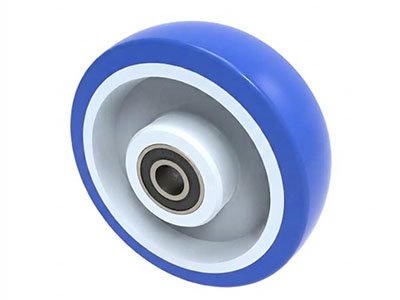
Custom Polyurethane Guide Rollers & Wheels