-
 WhatsApp: +86 19941574798
-
 sale06@kfqizhongji.com
 WhatsApp: +86 19941574798
sale06@kfqizhongji.com
WhatsApp: +86 19941574798
sale06@kfqizhongji.com
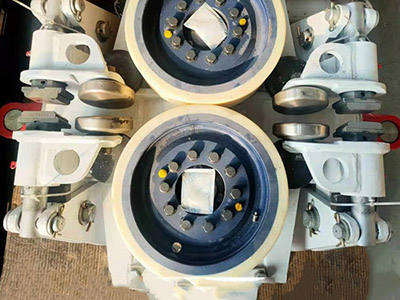
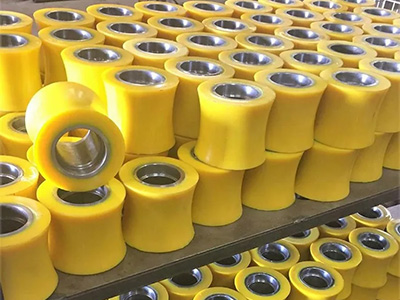
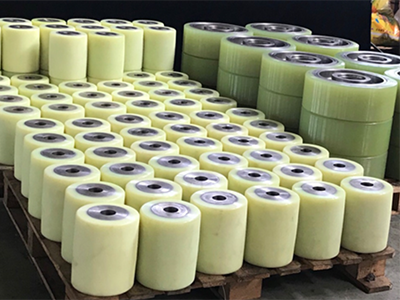
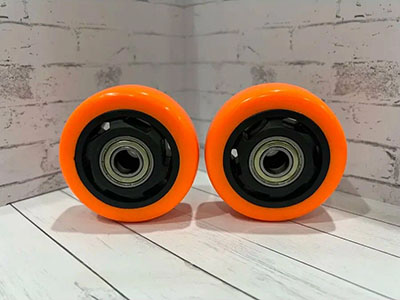
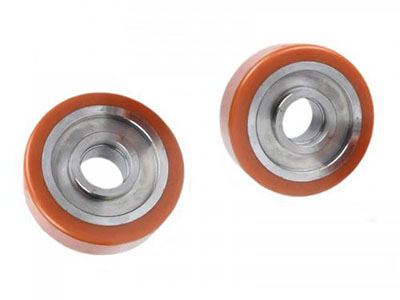
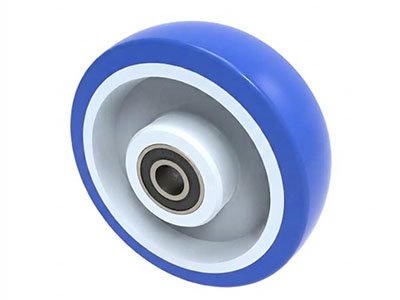
Industrial polyurethane wheels provide superior durability, floor protection, and smooth performance, making them ideal for AGVs, manufacturing, aerospace, food, and heavy equipment industries.
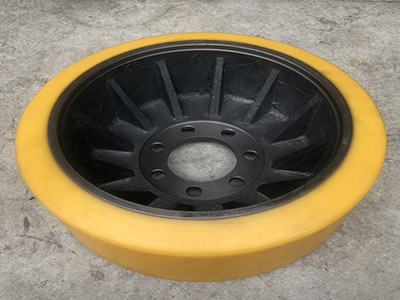
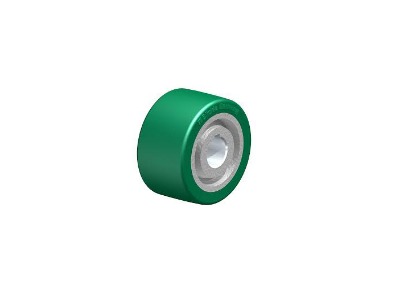
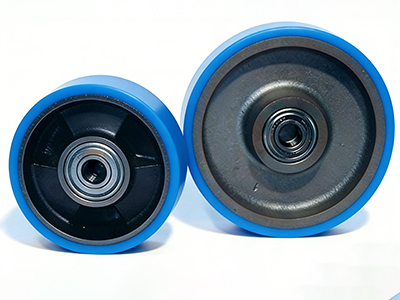
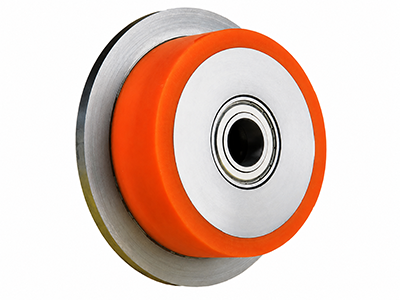
Polyurethane industrial wheels have become a critical component across multiple heavy-duty sectors. Combining the load-bearing capacity of steel with the floor-protective elasticity of rubber, these wheels offer an optimal balance of durability, chemical resistance, and operational efficiency.
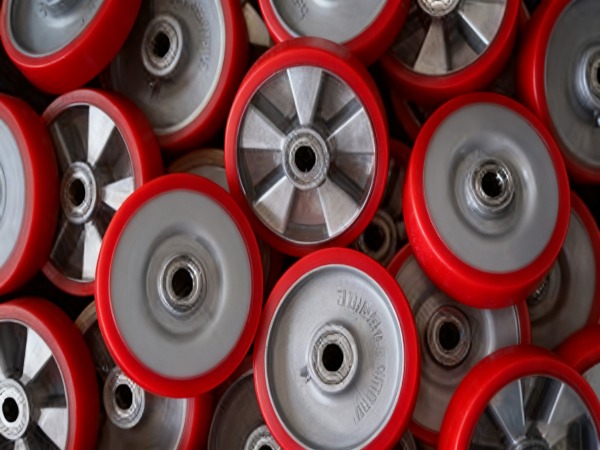
Distribution centers, logistics hubs, and automated warehouses rely heavily on continuous material movement. Forklifts, pallet jacks, and automated guided vehicles (AGVs) equipped with polyurethane wheels experience significantly lower rolling resistance, which improves energy efficiency and extends battery life for electric material handling equipment.
Key Benefit: Exceptional abrasion resistance reduces wheel wear and replacement frequency on concrete floors.
Floor Protection: Unlike metallic wheels, polyurethane prevents marking, cracking, or gouging of epoxy and sealed concrete surfaces.
Assembly plants and manufacturing floors manage extreme loads, ranging from heavy raw materials to completed vehicle chassis. Production lines utilize heavy-duty casters, tow-line carts, and automated assembly fixtures fitted with high-capacity polyurethane treads.
Key Benefit: High load-bearing capacity allows single wheels to support several tons without permanent deformation (flat-spotting).
Chemical Resistance: Excellent resistance to oils, greases, hydraulic fluids, and industrial solvents commonly found in manufacturing environments.
Aerospace manufacturing and maintenance facilities demand precision and absolute reliability. Handling delicate aircraft components, tooling jigs, and heavy structural assemblies requires stable, non-marring mobility solutions.
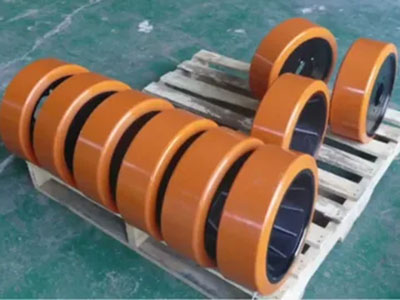
Key Benefit: Smooth, vibration-dampening ride characteristics protect sensitive onboard instrumentation and structural components during transport.
Safety Performance: Non-conductive and anti-static polyurethane formulations can be engineered to prevent electrostatic discharge (ESD) in sensitive cleanroom environments.
Shipbuilding and offshore sectors involve harsh operating conditions, including exposure to saltwater, moisture, and heavy structural modules. Heavy-duty transport systems and shipyard transfer carts rely on robust polyurethane wheels to move massive steel plates and ship sections.
Key Benefit: Superior resistance to hydrolytic degradation, moisture, and harsh coastal atmospheres.
Impact Absorption: High tear strength and elasticity absorb shock loads when traversing uneven outdoor paths, rail tracks, or grating floors.
Sanitary processing environments require strict adherence to hygiene standards alongside frequent washdowns using high-pressure water and chemical sanitizers.
Key Benefit: Non-porous polyurethane surfaces prevent the absorption of moisture, bacteria, and food particulates.
Corrosion Resistance: Wheels paired with stainless steel or sealed cores withstand aggressive cleaning agents without rusting or degrading.
Polyurethane industrial wheels deliver measurable operational advantages across diverse industrial sectors. By matching the appropriate durometer (hardness rating) and core material to specific operational demands—such as load weight, floor conditions, and chemical exposure—facilities can minimize downtime, protect infrastructure, and optimize long-term maintenance costs. Contact us.
How Do Polyurethane Wheels Compare To Metal Wheels
Polyurethane on Aluminum Wheels: 5 Life Factors