-
 WhatsApp: +86 19941574798
-
 sale06@kfqizhongji.com
 WhatsApp: +86 19941574798
sale06@kfqizhongji.com
WhatsApp: +86 19941574798
sale06@kfqizhongji.com
Polyurethane elevator guide rollers deliver exceptional vibration damping and noise reduction to ensure an ultra-smooth, whisper-quiet ride in modern high-speed lift systems.
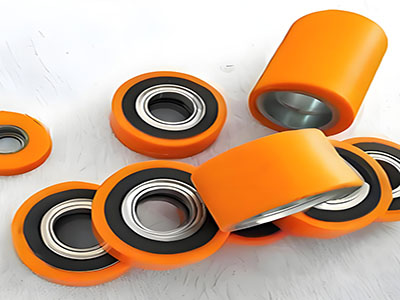
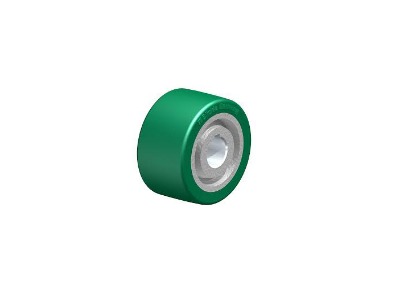
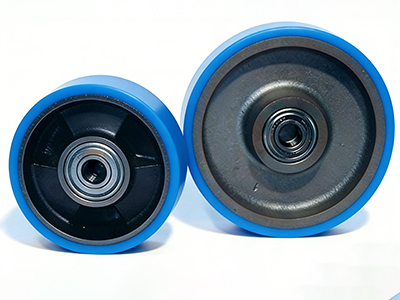
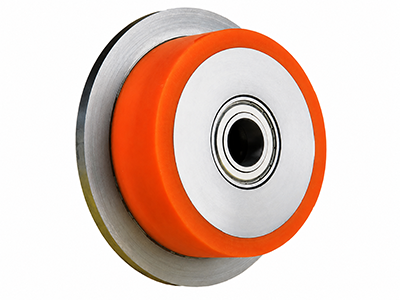
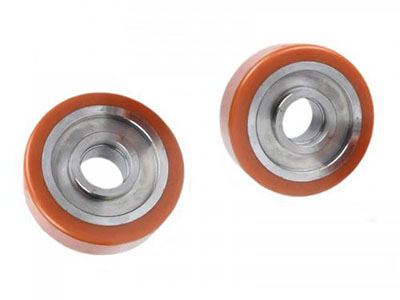
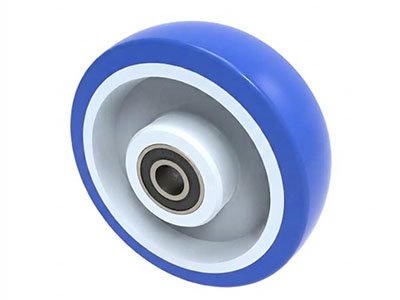
Are you looking to eliminate high-speed vibration and prevent unexpected downtime in your heavy-duty elevator systems? Our premium elevator guide wheels are engineered to deliver exceptional long-term reliability. Featuring a dynamically responsive 95A durometer polyurethane tread, precision-cast to a balanced thickness of 1/2" and chemically bonded to a high-tensile cast iron core, these wheels are built for continuous, smooth vertical travel.
Because the advanced polyurethane formulation is optimized for low hysteresis, it runs much cooler under high-frequency lifting, drastically reducing heat stress on the bond line to eliminate the risk of tread delamination. Furthermore, this resilient tread effectively cushions structural shock and dampens cabin noise while remaining 100% impervious to hoistway dust, grease, and ambient moisture—ensuring long-lasting rail protection without wearing down the guide tracks.
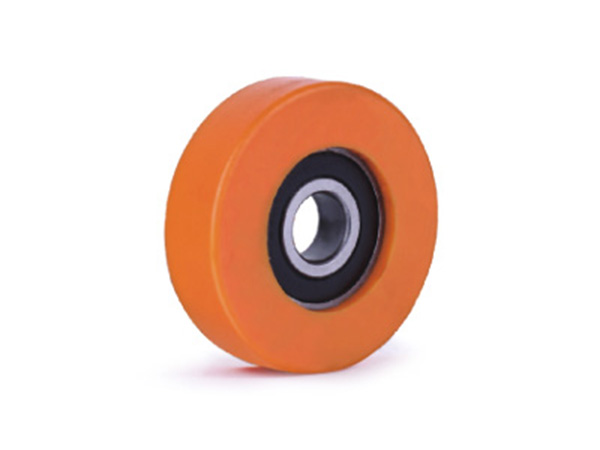
Elevator guide rail rollers run continuously along steel tracks, bearing immense lateral forces and cabin weight. Compared to rubber or nylon alternatives, polyurethane lift rollers bridge the gap between rubber's elasticity and metal's durability:
1. Exceptional Noise Reduction & Vibration Damping: Achieving a premium cabin experience requires minimizing structural noise. High-quality low-noise elevator rollers possess excellent vibration damping properties. They absorb micro-vibrations generated during high-speed travel, ensuring a quiet, shake-free ride.
2. High Load Capacity & Flat-Spot Resistance: Elevators often remain stationary at floors during loading, placing prolonged static stress on the wheels. Lower-grade plastics suffer from permanent deformation, but flat-spot resistant polyurethane rollers maintain their perfect roundness. This exceptional high load capacity prevents uneven tracking when the elevator restarts.
3. Superior Wear Resistance for Cleanrooms: The relentless friction between the wheel and the rail can degrade standard materials. Industrial-grade wear-resistant PU rollers offer unmatched abrasion resistance. This drastically reduces dust generation inside the shaft, which is a mandatory requirement for heavy-duty freight elevator rollers and cleanroom lift systems.
4. Advanced Polyurethane to Metal Bonding: Delamination can cause catastrophic failures at high speeds. Top-tier manufacturers utilize precision chemistry to achieve an unbreakable polyurethane-to-metal bonding between the tough PU tread and the cast iron or aluminum core.
Different positions within the hoistway require specialized configurations of polyurethane roller guides for elevators to optimize performance and safety:
1. Elevator Car Guide Rollers: As the primary contact between the passenger cabin and the main rails, these rollers are critical for a premium ride experience. High-quality elevator car guide rollers focus heavily on noise reduction and smoothness, neutralizing micro-vibrations so passengers enjoy a seamless, whisper-quiet travel experience.
2. Counterweight Roller Guides: To balance the elevator system efficiently, the counterweight frame must move in perfect synchronization with the car. Utilizing specialized counterweight roller guides ensures high-speed stability and steady tracking along the guide rails, preventing any swaying or lateral shaking within the shaft.
3. High-Speed Elevator Guide Rollers: In modern skyscrapers where elevator travel speeds exceed 4 m/s, standard wheels will quickly overheat due to rapid friction. High-speed elevator guide rollers are engineered with advanced polyurethane formulas that offer excellent dynamic heat resistance and minimal rolling resistance, ensuring absolute precision at extreme velocities.
4. Heavy-Duty Freight Elevator Rollers: Industrial plants, warehouses, and automotive lifts subject components to immense weight and long stationary periods. Heavy-Duty freight elevator rollers are designed with a higher durometer to deliver ultimate load-bearing capacity and maximum flat-spot resistance, preventing wheel deformation under heavy cargo loads.
Our elevator guide wheels are fully customizable, available with precision-shielded ball bearings for quiet operation and integrated grease fittings for low-maintenance longevity. Contact our engineering team today to match the exact dimensions, custom core materials (cast iron, steel, or aluminum), and load requirements for your next project
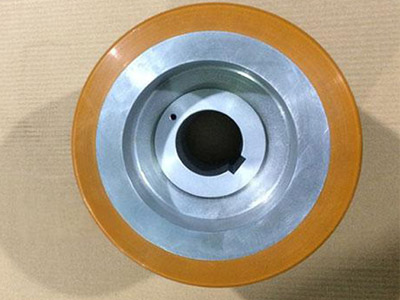
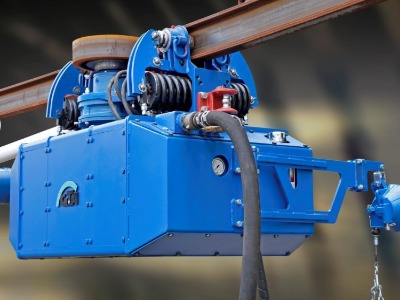
Aviation-Grade Wheels for Baggage Claim Carousel
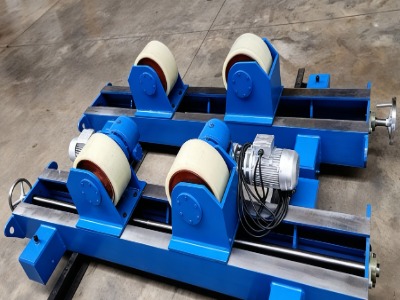
Polyurethane Pipe Wheels for Pipe Roller Stands