 WhatsApp: +86 19941574798


Polyurethane (PU) Insulation Panels for Industrial & Cold Chain
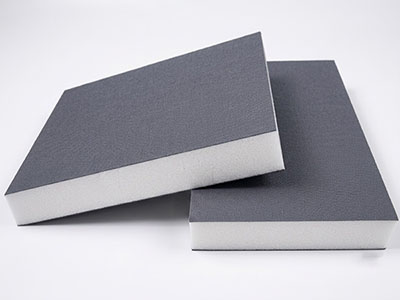
Polyurethane (PU) insulation panel, renowned for their exceptional thermal resistance, have become the core insulation material for temperature-controlled environments, cryogenic facilities, and high-performance building envelopes.
Technical Information
Polyurethane (PU) insulation panel, renowned for their exceptional thermal resistance, have become the core insulation material for temperature-controlled environments, cryogenic facilities, and high-performance building envelopes. Unlike traditional fibrous insulation materials, rigid polyurethane insulation panel relies on a highly closed-cell microstructure to achieve superior thermal resistance within a minimal space footprint, while demonstrating outstanding safety and structural performance in diverse and complex industrial environments.
Microstructure and Superior Thermal Performance
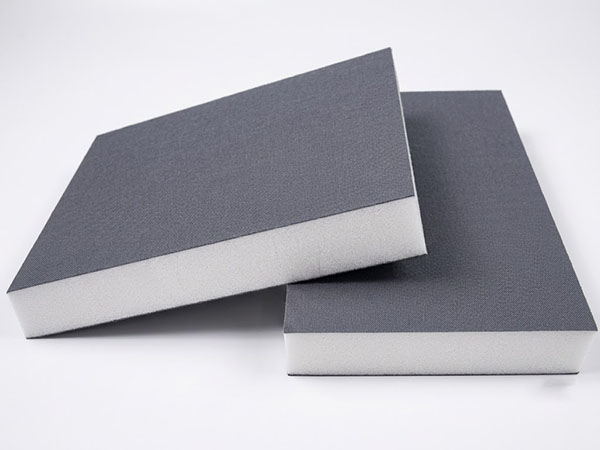
The core advantage of polyurethane insulation panel stems from their extremely low thermal insulation. Typically, the thermal conductivity of polyurethane panel ranges between 0.022 W/m·K and 0.026 W/m·K, far surpassing expanded/extruded polystyrene boards (EPS/XPS) and rock wool of the same thickness.
This highly efficient insulation performance is primarily attributed to two factors:
Closed-Cell Structural Design: The closed-cell rate of rigid polyurethane foam usually exceeds 90%. These mutually isolated microscopic closed cells lock the low-thermal-conductivity blowing agent within the polymer matrix, thereby effectively suppressing convective heat transfer.
Hydrophobic and Moisture-Proof Properties: The extremely high closed-cell rate endows the material with excellent hydrophobicity. It does not suffer a catastrophic decline in insulation performance due to water absorption or moisture ingress, allowing it to maintain high thermal resistance over the long term.
Physicochemical Stability and Safety Characteristics
Even under extreme industrial operating conditions, rigid polyurethane insulated panel maintain exceptional material stability and mechanical safety. Their core technical indicators are primarily reflected in three dimensions:
Wide Temperature Range Tolerance: Rigid polyurethane foam can operate across a very broad temperature range, typically maintaining dimensional stability between -196°C and +120°C. The material does not experience embrittlement, cracking, or softening deformation under extreme or alternating temperature cycles, making it highly suitable for cryogenic engineering (such as LNG storage tanks) and high-temperature industrial piping insulation.
Excellent Chemical Corrosion Resistance: The material exhibits outstanding chemical inertness to dilute acids, dilute alkalis, salts, and most organic solvents (such as fuels and lubricants). It does not degrade easily when exposed to corrosive media over long periods, nor does it mold or harbor bacteria, fully complying with the strict hygiene standards of the food, beverage processing, and pharmaceutical industries.
Controllable Flame Retardancy: By incorporating highly efficient flame retardants into the production formulation or by utilizing polyisocyanurate (PIR), the panel can achieve a Class B1 (flame-retardant) rating under national standards. In the event of a fire, a robust carbonized protective layer rapidly forms on the material's surface, effectively suppressing flame spread without producing molten droplets, thereby significantly reducing the risk of secondary disasters.
Core Industrial Application Scenarios
Leveraging their structural self-supporting capacity, zero-gas-emission airtightness, and superior hydrophobic and anti-corrosive properties, polyurethane insulation panel perfectly satisfy the stringent industrial regulations of cold chain warehousing, semiconductor cleanrooms, and food processing workshops regarding temperature control, ultra-clean environments, and high-frequency cleaning and disinfection.
You have questions, we have answers. Contact us today. Our skilled customer service specialists can help you make the right choice in polyurethane applications.
Custom Polyurethane Protective Plate of the Shield Machine
Closed-Cell Polyurethane Foam for Subsea Buoyancy & Shipbuilding