 WhatsApp: +86 19941574798


Heavy-Duty Pallet Jack Load Wheels
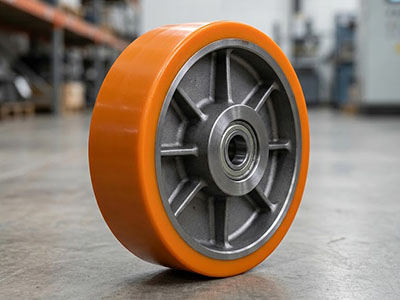
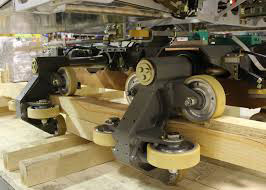
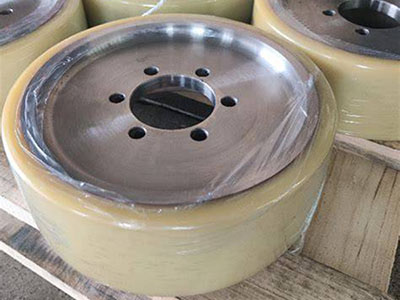
Heavy-Duty Pallet Jack Load Wheels are critical front-end components engineered to bear multi-ton capacities, minimizing rolling resistance and protecting industrial flooring under high-frequency warehousing conditions.
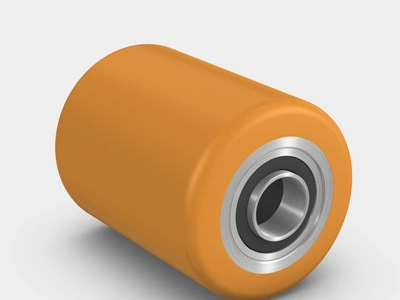
Technical Information
In modern logistics and daily warehousing operations, heavy-duty pallet jacks carry loads weighing up to several tons. While managers often focus their attention on battery life, motor torque, or control handles, they frequently overlook a critical detail—the load wheels situated at the very front of the chassis, silently bearing thousands of pounds of force.
When equipment capacity reaches the multi-ton level, these few wheels are no longer just simple spare parts. Instead, they become crucial factors that determine operational efficiency, floor integrity, and on-site safety.

Main Challenges Under Heavy-Duty Working Conditions
Located at the front end of the pallet jack forks, load wheels bear the vast majority of concentrated stress when heavy objects are lifted. Under heavy-load, high-frequency working conditions, these wheels face severe on-site tests:
High-Intensity Compressive Stress: Weight spanning several tons is concentrated on extremely small contact surfaces, exerting continuous compression on the internal structure of the wheel body.
Frictional Heat Generation: Rolling continuously on rough concrete floors generates and accumulates heat inside the wheel, accelerating material aging.
Impact from Complex Road Surfaces: Expansion joints, wood chips, metal debris, and bumps from dock levelers constantly push the wheels' endurance limits to the brink.
If the wrong wheel is selected for this link, it will not only trigger high-frequency downtime for maintenance but may also cause a sharp increase in rolling resistance due to wheel damage, which in turn ruins the facility's floors.
Main Material Classifications of Load Wheels
Different load wheel materials offer vastly different performance characteristics and applicable scenarios. Depending on the actual working conditions, choices are typically made among the following mainstream materials:
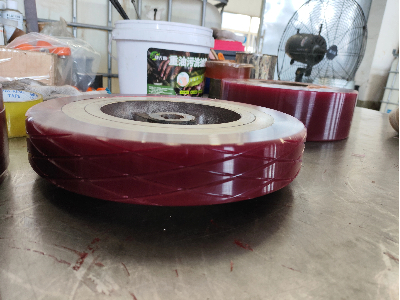
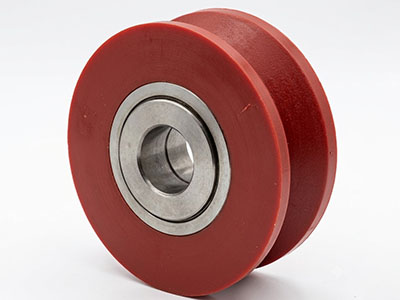
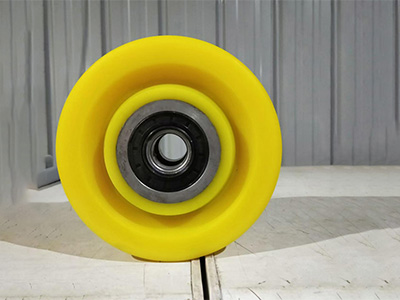
Polyurethane (PU): As the most commonly used material for indoor warehousing, high-quality polyurethane load wheels strike an ideal balance between floor protection and noise reduction. PU wheels offer low rolling resistance and excellent anti-creep performance (meaning they resist flat-spotting) during long-term, heavy-load parking. Although the initial procurement cost is relatively high and care must be taken to avoid punctures from sharp metal debris, the overall economic benefit is superior.
Nylon and Engineering Plastics: These are primarily suitable for food processing, chemical warehouses, or damp environments that require frequent washdowns. Nylon is completely immune to rust and corrosion while offering extremely low rolling resistance. However, due to its high hardness, it generates significant vibration and noise when driven on hard floors, and its long-term wear on the ground must also be taken into consideration.
Cast Iron and Steel: Typically deployed in extreme, harsh industrial environments such as foundries and scrap steel processing plants. Steel wheels can handle immense weight and are virtually immune to damage from sharp objects. However, this material possesses zero shock-absorption capability, makes a massive amount of noise when moving, and is highly destructive to standard epoxy floors or concrete surfaces.
Common Wear and Tear & Replacement
Regularly inspecting the condition of load wheels can effectively prevent sudden breakdowns during production. The following signs indicate that a wheel needs to be replaced immediately:
Localized Flat Spots: When equipment is parked with a heavy load for long periods, or dragged while the brakes are locked, the roundness of the wheel body suffers. If the vehicle emits a rhythmic, dull "thudding" sound while moving, it is usually caused by this.
Surface Delamination and Chipping: Continuously rolling over sharp debris causes "chunking" or peeling on the wheel tread, which multiplies rolling resistance.
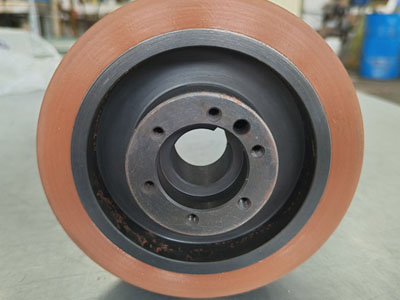
Exposed Hub/Core: When the outer tread is severely worn down to the point where the internal metal core is visible, it must be replaced immediately to prevent direct destruction of the floor.
Abnormal Rolling Resistance: If operators report that the vehicle feels heavy and sluggish to steer even when empty, it usually implies that the internal bearings are severely worn or jammed with foreign objects.
Conclusion
In the pursuit of an efficient material handling chain, details dictate the availability of the entire vehicle. Equipping heavy-duty vehicles with the right, high-quality load wheels is essential to extending equipment lifespan, protecting flooring assets, and enhancing operational safety. Only by choosing the correct configuration based on actual working conditions can you ensure that daily handling operations remain stable and smooth. While the drive wheel powers movement, choosing the right heavy-duty load wheels is essential to support multi-ton weights, protect floors, and ensure smooth, safe daily operations.
You have questions, we have answers. Contact us today. Our skilled customer service specialists can help you make the right choice in polyurethane applications.
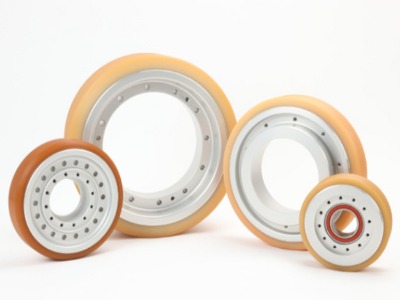
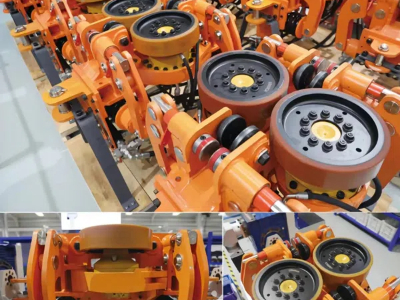
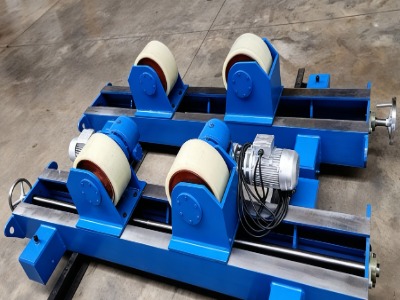
Anti-Skid Polyurethane Wheels for Cold Storage
Custom Polyurethane Guide Rollers & Wheels